
The main difference between fil slub and regular yarn is the intentional variation in thickness and the effect this has on the fabric. While regular yarn is designed to maintain a consistent linear density, slub yarn deliberately incorporates thicker sections, or ‘slubs’, to create a textured and irregular fabric surface that often looks more natural. Research in the textile industry confirms that the length, thickness, frequency, and transition characteristics of slubs can significantly influence the evenness, strength, and appearance of yarn, as well as the air permeability and abrasion resistance of fabric.
Slub Yarn vs. Regular Yarn: The Basic Difference
The simplest way to distinguish slub yarn from regular yarn is to check how consistent its thickness is along its length. Regular yarn is manufactured to be relatively uniform in terms of its linear density, diameter, twist, and appearance. In contrast, slub yarn intentionally incorporates thicker sections into a finer base yarn. These thicker sections can be produced at set lengths and intervals, or according to a controlled irregular pattern.
The difference is not simply a matter of appearance. When slub yarn is knitted or woven into fabric, the changes in diameter create local differences in thickness, light reflection, texture, and sometimes dye uptake. Research published in the Alexandria Engineering Journal notes that the difference between the base yarn and slub diameter can be substantial, and that slub geometry affects the appearance and mechanical behaviour of the resulting fabric.
Regular yarn, by contrast, is normally selected when manufacturers want a clean, predictable fabric surface. However, this does not mean that regular yarn is completely uniform at the microscopic level — natural fibres and spinning processes inevitably produce some variation — but rather the objective is to keep this variation within an acceptable range, rather than using it as a design feature.
What Is Slub Yarn?
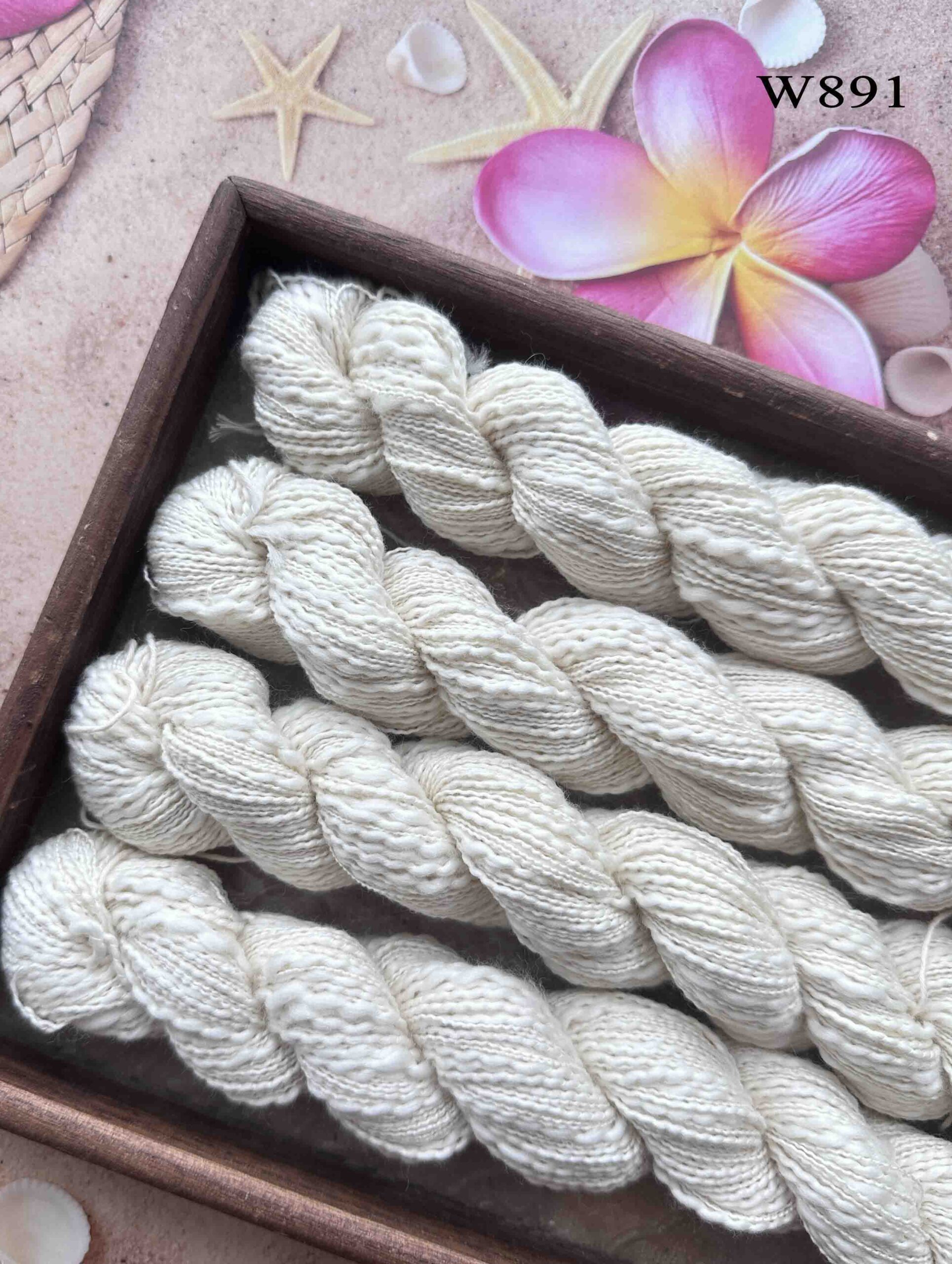
Slub yarn is a type of fancy yarn characterised by thick and thin sections deliberately created along its length. A typical slub yarn contains a relatively stable base section interrupted by thicker areas called ‘slubs’, which can be controlled in terms of length, thickness, spacing, frequency and transition shape.
Useful technical descriptions of slub yarn characteristics have emerged from research into their measurement, identifying three basic geometric parameters: slub length, slub distance, and slub thickness. The same study explains that ground slub yarn consists of a base yarn portion and a slub portion, and that these structural parameters directly influence the appearance of the final fabric.
Therefore, modern slub yarn should not be confused with yarn that is simply defective or poorly spun. While an uncontrolled thick place caused by a spinning problem is a quality defect, a slub is an intentional structural feature designed to achieve a specific visual or tactile result. This distinction is especially important in commercial textile production, where manufacturers need the slub effect to be consistent from cone to cone and from production batch to production batch.
The effect can range from extremely subtle to highly pronounced. Fine slubs may create only a slight variation in surface texture, whereas longer, thicker slubs can make denim, knitwear, T-shirts, casual wear, and home textiles look irregular, handcrafted, or vintage.

What Is Regular Yarn?
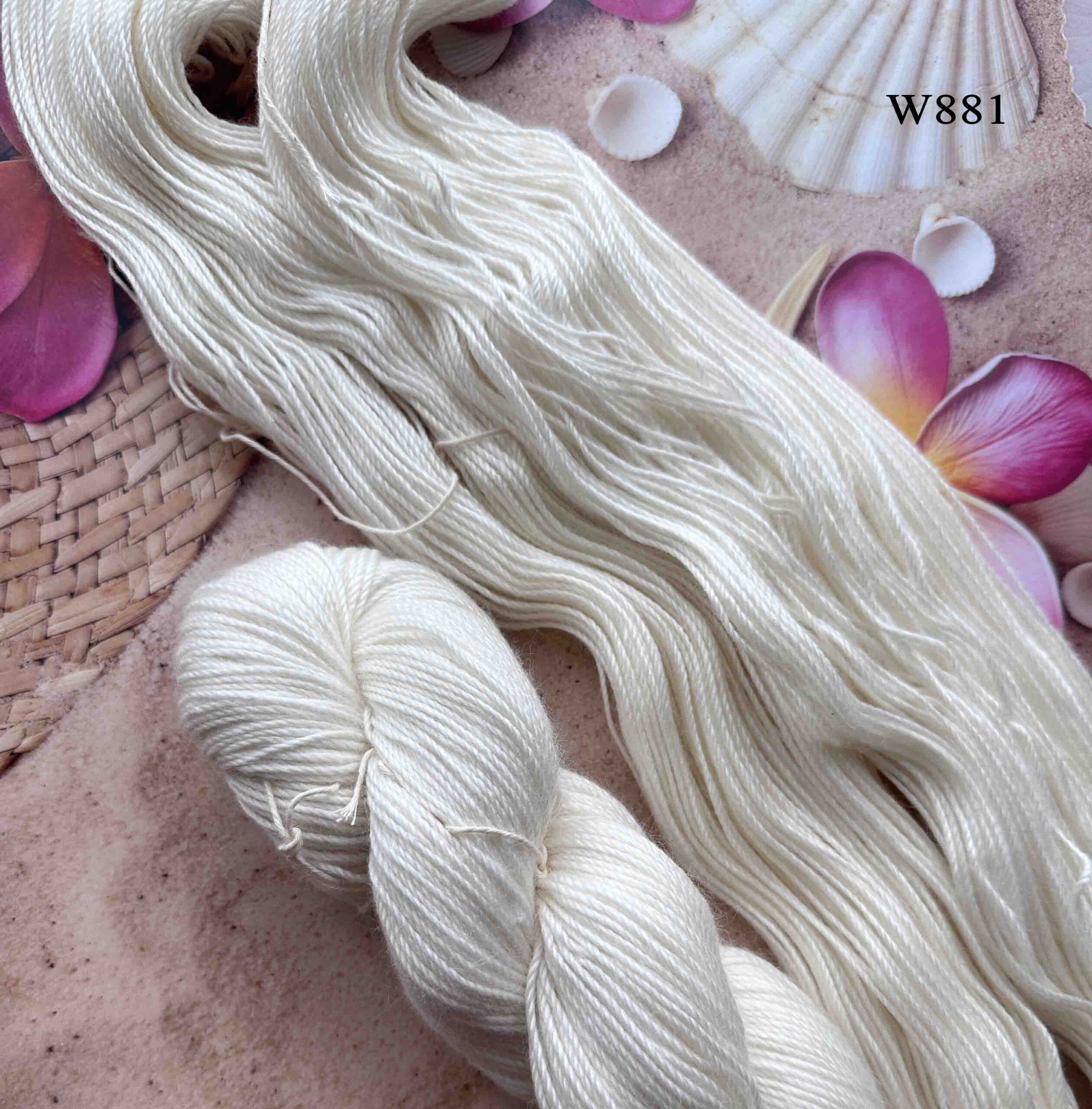
Regular yarn, which is sometimes referred to as ‘conventional’ or ‘even’ yarn in textile discussions, is produced to achieve consistent characteristics. Depending on the fibre and spinning method used, manufacturers control factors such as yarn count, twist, strength, hairiness, evenness, and imperfections to obtain a material that can be relied upon for subsequent weaving or knitting.
The goal is not absolute physical uniformity. Every spun yarn contains some degree of variation because fibres differ in length, fineness, orientation and distribution. Instead, regular yarn is manufactured so that these variations remain within controlled limits, ensuring that a visible thick-and-thin pattern is not created.
This consistency is valuable in applications where the appearance of the fabric, its dimensional stability, dyeing uniformity, printing quality, or process reliability are more important than a deliberately textured surface. Shirting, uniform fabrics, fine knitted goods, bedding, technical textiles and many other products can benefit from yarn with stable, predictable characteristics.
It is important for buyers to note that ‘regular yarn’ is not a single fibre category. Cotton, polyester, viscose, wool, acrylic, nylon and blends can all be made into regular yarn, just as they can be used to produce slub yarn. The key difference lies in the yarn structure rather than the fibre composition.
How Is Slub Yarn Made?
One of the most interesting differences between slub yarn and regular yarn emerges during the spinning process. While conventional spinning aims to maintain stable drafting conditions, slub spinning deliberately alters the amount of fibre entering the yarn at set intervals.
In a typical ring-spinning process, changes in roller speed are used to alter the drafting ratio. When feed conditions change, more fibres can be introduced into a short section of yarn, thereby increasing its linear density and producing a thicker region. Historical research published by the Journal of the Textile Machinery Society of Japan described slub yarn manufacturing using a spinning frame in which the speed of the rollers was periodically changed. Later research has examined the dynamic relationship between the behaviour of the rollers and the length and diameter of the slubs.
Modern equipment can control these changes much more precisely than early mechanical systems. Manufacturers can now specify parameters such as target slub thickness, slub length, distance between slubs, frequency, and transition or ramp length. This enables yarn designers to create subtle effects deliberately rather than introducing random irregularity.
Quality control is equally important. A 2014 study using a Uster evenness-testing system found that the actual dimensions of slubs can differ from the nominal settings. The study proposed measuring slub length, distance, and thickness to evaluate yarn quality and machine performance.
Key Differences Between Slub Yarn and Regular Yarn
| Fonctionnalité | Slub Yarn | Regular Yarn |
| Yarn structure | Deliberately varied thickness | Relatively uniform thickness |
| Main visual effect | Textured, irregular, natural or rustic | Smooth, clean and consistent |
| Thickness | Contains planned thicker sections | Maintains relatively stable linear density |
| Surface appearance | More dimensional and visually active | More even and predictable |
| Manufacturing control | Slub length, thickness, frequency, and spacing are controlled | Evenness and uniformity are prioritized |
| Fabric character | Casual, vintage, handcrafted or textured | Clean, classic and uniform |
| Design flexibility | High for creating surface effects | Better for consistent base fabrics |
| Quality assessment | Requires checking both base yarn and slub parameters | Focuses strongly on evenness and conventional yarn defects |
| Typical applications | Denim, T-shirts, casualwear, knitwear, home textiles | Shirting, uniforms, bedding, basic knitwear and technical textiles |
| Main purchasing consideration | Consistency of the intended slub effect | Consistency of yarn quality and evenness |
The important takeaway from this comparison is that neither yarn is inherently “better.” Slub yarn is a design-oriented choice, while regular yarn is generally a consistency-oriented choice. The right material depends on the intended fabric appearance, construction, performance requirements, and production process.
Does Slub Yarn Have a Different Feel?
Yes, but the extent of the difference depends heavily on the fibre, yarn count, slub dimensions, fabric construction, and finishing process. For example, a cotton slub yarn may produce a softly uneven surface that feels like small raised areas on a knitted T-shirt, whereas a heavier slub yarn can create a much more obvious tactile texture.
It is important to note that slub yarn does not automatically equate to rough yarn. ‘Slub’ describes variation in yarn structure, whereas softness depends on fibre type, fineness of fibre, spinning quality, twist, finishing, and fabric construction.
Research on cotton slub fabrics shows that slub parameters can affect not only appearance, but also dimensional, physical, visual, and thermal properties. In one study, the ratio of slub length to thickness affected measured properties such as thermal conductivity, thermal absorptivity, and relative water-vapor permeability in knitted fabrics.
For product development purposes, therefore, buyers should evaluate the finished fabric rather than assuming that every slub yarn will have the same texture. Two yarns with the same nominal count can produce noticeably different fabrics if their slub length, thickness, twist, fibre composition, or fabric construction differs.
How Does Slub Yarn Affect Fabric Appearance?
The appearance of the fabric is one of the main reasons why manufacturers choose slub yarn. The thicker sections create local changes in the yarn’s diameter, altering how light interacts with the fabric’s surface and creating a broken, three-dimensional visual effect.
This pattern can be regular, semi-random, or intentionally irregular. Short slubs with small thickness increases may produce restrained textures suitable for premium casualwear, while longer, more pronounced slubs can create the strong visual character associated with rustic denim or handspun fabrics.
The relationship between yarn parameters and fabric appearance is more technical than it initially seems. Research on slub yarn morphology has identified various parameters, including slub length, base length, transition length, slub multiple, slub linear density, base linear density, and average linear density. All of these parameters can influence the resulting fabric.
This is why simply specifying ‘slub yarn’ on a purchase order is often insufficient. Manufacturers may need to specify the yarn count, fibre composition, slub ratio, slub length range, frequency, twist, colour, and acceptable variation to ensure the finished fabric matches the approved sample.
Slub Yarn and Regular Yarn: Which Is Stronger?
While there is no universal rule stating that regular yarn is always stronger than slub yarn, intentional changes to the structure of the yarn can affect its strength. A slub section has a different fibre mass and twist distribution to the base section, so its mechanical behaviour is not necessarily identical to that of a conventional yarn with a uniform structure.
Research published in Textile and Apparel found that increasing slub thickness, length and frequency affected unevenness, hairiness and strength. Stronger slub effects were generally associated with increased unevenness and reduced breaking strength under the experimental conditions studied.
However, this should not be interpreted as meaning that all slub yarn is weak. Yarn strength depends on many variables, including fibre type, fibre length, twist, yarn count, spinning system, slub geometry, and manufacturing quality. While a well-engineered slub yarn can perform effectively in its intended application, it should still be tested according to the actual fabric and end-use requirements.
Therefore, for demanding applications, buyers should ask for actual test data rather than comparing yarn types based solely on appearance.
Which Yarn Is Better for Denim and Casualwear?
Slub yarn is often preferred when the aim is to create texture and depth, and to achieve a less uniform visual appearance. This makes it particularly useful for denim, T-shirts, sweaters, casual shirts, dresses, and other products where a natural or vintage appearance is desirable from a commercial perspective.
Denim is a particularly relevant example, as manufacturers can use the characteristics of slub yarn to create visible variations in the fabric’s surface, contributing to a more distinctive appearance. Research on dual-core slub yarns has also explored combining slub structures with core-yarn technology to enhance the aesthetic and functional properties of denim fabrics.
However, regular yarn may be the better choice when a cleaner surface, a more consistent appearance, or more predictable behaviour during weaving, knitting, dyeing, and finishing is required. It is particularly useful when the design does not require intentional surface irregularity.
In commercial production, however, it is not an either-or decision. Fabrics can combine regular and slub yarns in different directions or structures to create controlled visual contrast without becoming overly textured.
How Should Buyers Specify Slub Yarn?
When sourcing slub yarn, ‘slub yarn’ should be considered a preliminary description rather than a definitive specification. Suppliers need enough information to reproduce the desired effect consistently.
At a minimum, buyers should specify the fibre composition, yarn count, spinning method, slub thickness or number, slub length, slub frequency or spacing, twist, colour and intended application. A physically approved sample is also highly valuable, as visual terms such as ‘light slub’, ‘heavy slub’, or ‘natural effect’ may be interpreted differently by different suppliers.
Quality inspection should then compare the actual production yarn with the agreed parameters. Modern research shows why this is important: the actual geometry of slubs may differ from the nominal settings, and these differences can affect the appearance of the fabric and potentially create unwanted visual defects.
For larger orders, it is useful to establish an acceptable range rather than a single absolute value. Textile production naturally involves variation, and a practical specification should distinguish between normal process variation and a deviation large enough to affect the finished fabric.
Slub Yarn vs. Regular Yarn: Which One Should You Choose?
Choose slub yarn when the primary goal is a textured, dimensional, casual, vintage, or handcrafted appearance. It is especially suitable when the yarn itself is expected to contribute to the identity of the fabric rather than simply provide a uniform structural material.
Choose regular yarn when consistency, smoothness, predictable processing, and a clean fabric surface are the main priorities. It is often the safer choice for products where irregular yarn effects could interfere with printing, dyeing uniformity, appearance standards, or tight dimensional specifications.
For product developers, the most practical approach is to start with the finished-fabric requirement rather than the yarn category. Decide what the fabric should look and feel like, determine the required performance, and then select yarn parameters capable of delivering that result.
Frequently Asked Questions About Slub Yarn and Regular Yarn
- Is slub yarn better than regular yarn?
Neither yarn is universally better because they are designed for different purposes. Slub yarn is better when a textured appearance is required, while regular yarn is generally better when uniformity and consistency are the priority.
- Is slub yarn stronger than regular yarn?
Slub yarn is not automatically stronger than regular yarn because its strength depends on fiber, twist, yarn count, and slub parameters. Research shows that increasing certain slub dimensions can affect yarn unevenness and reduce breaking strength under specific test conditions.
- What does slub yarn look like?
Slub yarn has deliberately thicker sections separated by relatively finer base-yarn sections. When woven or knitted, these variations create a textured, irregular, and often natural-looking surface.
- Is slub yarn good for T-shirts?
Yes, slub yarn is widely suitable for T-shirts when a casual, textured, or vintage appearance is desired. Cotton slub yarn can also produce fabrics with distinctive visual and comfort characteristics depending on the slub parameters and fabric construction.
- Is slub yarn more expensive than regular yarn?
Slub yarn can cost more because its production requires additional control of yarn structure and quality parameters. However, the actual price depends on fiber, yarn count, production volume, slub design, spinning technology, and supplier specifications.
- Can slub yarn be used for woven and knitted fabrics?
Yes, slub yarn can be used in both woven and knitted fabrics. Its effect will vary according to fabric construction, yarn count, slub dimensions, density, finishing, and the way the yarn is positioned in the fabric.
Conclusion
The fundamental difference between slub yarn and regular yarn is in their controlled structure. While regular yarn aims for consistent linear density and appearance, slub yarn intentionally introduces thicker sections to create texture, visual movement, and distinctive fabric character.
Slub yarn should not simply be viewed as “uneven yarn”. Its irregularity is engineered: the length, thickness, spacing, frequency, transition, twist, and characteristics of the base yarn can all be controlled. Research shows that these parameters influence both yarn performance and the properties of the finished fabric.
Therefore, the best choice for buyers and textile manufacturers depends on the final application. Regular yarn is generally more appropriate if the target is a clean and consistent surface, whereas slub yarn offers considerably more design potential if the goal is a distinctive textured surface with controlled visual variation.

 French
  English
  Russian
  Japanese
  Korean
  Spanish
  German