
Article Abstract:
靴下糸 and regular yarn may seem to have the same properties at first, but they are designed to have different purposes.
This article discusses the structural, material, and functional differences between sock yarn and standard yarn types, utilizing research from the textile engineering field and the fiber science literature.
Through referenced studies from the Textile Research Journal, Woodhead Publishing’s Handbook of Yarn Production, and guidance from organizations like The Craft Yarn Council, this guide provides a technically informed but practical comparison.
The objective is to assist manufacturers, designers, retailers, and advanced knitters in making informed decisions about the type of yarn to use based on its durability, elasticity, fiber composition, and performance at the end of use.
Introduction: Why Sock Yarn Is Not “Just Thinner Yarn”
One of the most commonly disregarded truths in the knitting and textile communities is that sock yarn is essentially a superior version of regular yarn. In truth, sock yarn is a pre-designed fabric product that is intended to withstand repeated abrasion, moisture, stretch, and laundering–all of which are common in regular fabric, but not designed to withstand this constant wear.
Understanding the distinction between sock yarn and regular yarn is no longer pertinent to just anyone who enjoys crafting. With the increasing popularity of performance-oriented knitwear, direct-to-consumer brands of socks, and small-scale manufacturing of textiles, the choice of yarn affects the life span of the product, customer satisfaction, and brand reputation. Selecting the incorrect fabric can lead to early pilling, heel wear through, fabric loss, or structural distortion following washing.
What Is Sock Yarn?
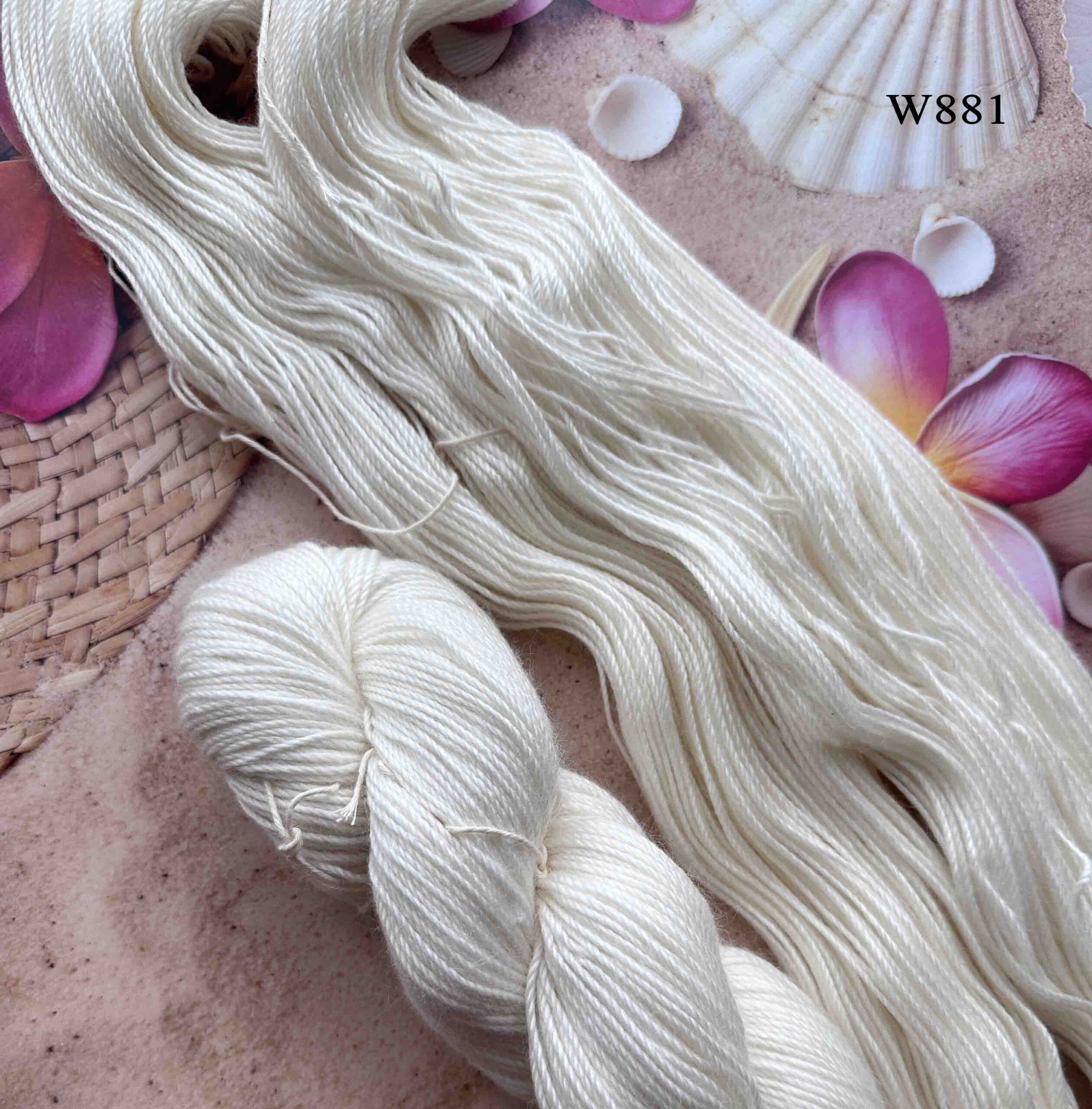
Sock yarn is a highly twisted, densely spun fabric, which is typically categorized as fingering or low-weight. This fabric is specifically designed to be knitted or woven into socks and other high-wear garments. Its primary attributes are not limited to thickness, but include fiber composition, ply structure, elasticity, and abrasion resistance.
Many commercial sock yarns are composed of blended fibers, typically including natural fibers like wool in addition to synthetic fibers like nylon or polyamide. This hybrid design facilitates the balancing of comfort and durability, which is not possible with single-fiber yarns.
The Essential Core Traits of Sock Yarn
Sock yarn’s design is intended to prioritize the following properties:
Ability to withstand friction and abrasion
The capacity to regrow form following multiple stretching sessions.
The regulation of moisture that takes place over a long period of time on the skin.
Constant measurement of the dimensions of the object after multiple washes.
The structural integrity of thin textile constructions
What Is Regular Yarn?
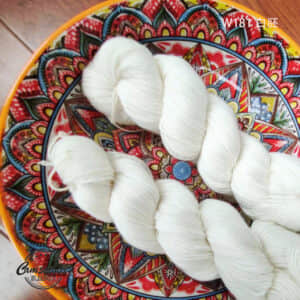
“Regular yarn” is not intended as a technical term, but rather a general term that encompasses yarns that are not specifically designed for use in socks. These strings are typically intended for:
- Visual content
- 柔らかさ
- 暖かさ
- Descriptive definition of decorative stitching
- Low to moderate use cases
Regular fabric is comprised of a variety of weights (from lace to super bulky), fibers (cotton, acrylic, alpaca, silk), and different methods of spinning. Many common types of yarn are capable of being used to create socks; however, they often lack the mechanical durability necessary for long-term use.
Structural Differences Between Sock Yarn and Regular Yarn
The number of times the product was invented or revised.
One of the greatest differences is in the number of twists. Sock yarn typically has a higher twist per inch (TPI) than regular yarn. This more compact twist increases the tensile strength of the fabric and decreases the migration of fibers, which is a significant cause of pilling and thinning.
Sock yarns are typically:
- 3 or 4-layered constructions
- Plied yarns that were both balanced and had opposite twists
Common yarns, especially those intended for comfort, often utilize:
- Lower tension
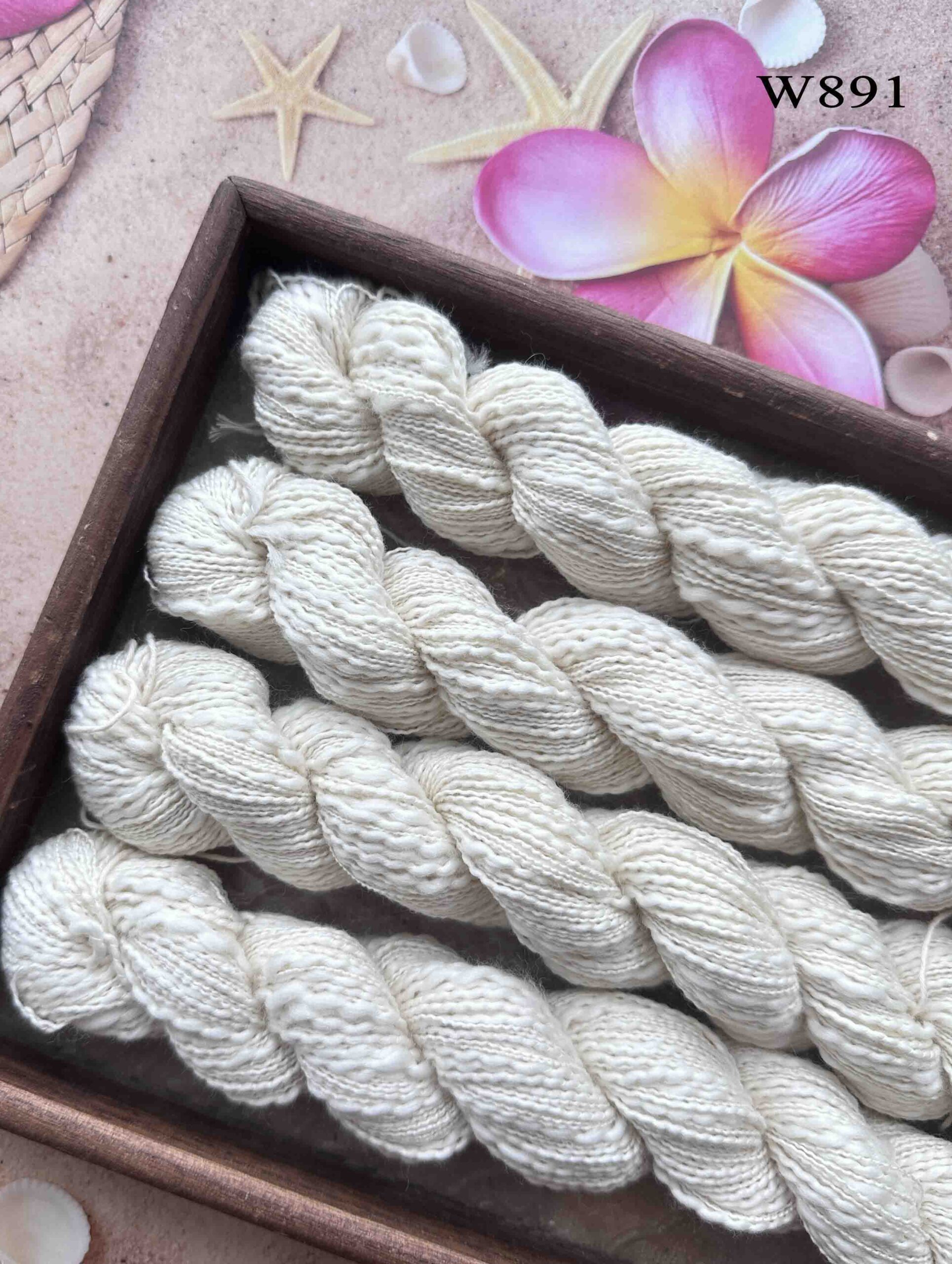
- Loose, single-ply or softly plied sheets
This structural difference has an effect on the durability and stretchiness of the material under stress.
Fiber Composition and Combinations
Sock yarn is typically composed of between 92 and 96% natural fiber. Many high-end sock fibers are composed of a mixture of fibers to compensate for the individual weaknesses of each.
| 糸の種類 | Typical Fiber Composition | Performance Implication |
| 靴下用糸 | 70–80% wool + 20–30% nylon | High elasticity, abrasion resistance |
| Regular Wool Yarn | 100% wool | Warm, breathable, lower durability |
| コットン糸 | 100% cotton | Soft, low elasticity, poor recovery |
| アクリル毛糸 | 100% acrylic | Low cost, poor moisture handling |
The addition of nylon to the sock’s fabric increases the heel and toe, which is critical to the textile wear studies that confirmed the importance of this factor.
Elastic Recoveries and Shape Preservations
Elastic recovery is the ability of a fabric to return to its original form after being stretched; this is typically used to describe the stretchiness of a fabric. Socks are subject to constant tension during use; this is particularly true of them around the ankles, heels, and insteps.
Sock fabric:
- Based on the wool’s natural insulation properties, plus a synthetic supplement
- Maintains its shape over the long haul
Ordinary fiber:
- May become permanently injured
- Often necessitates the addition of elasticity if employed in socks
This is why common-wearing socks that are made of regular fabric often have a “bag out” after a few uses.
Weight Classification: A Common Source of Confusion
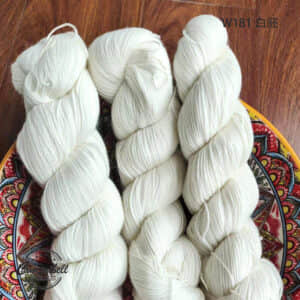
Sock yarn is typically considered to be the weight of a few ounces, but not all ounces of fingering weight are considered to be sock yarn.
Main difference:
- Fingering weight = thickness value
- Sock yarn = useful category
A silk or alpaca fiber with a weight of around 1 gram may be beautiful, but it lacks the necessary mechanical properties for the creation of socks.
Performance Comparison: Sock Yarn vs Regular Yarn
| Performance Factor | 靴下用糸 | Regular Yarn |
| 耐摩耗性 | 高い | Low–Medium |
| Elastic Recovery | 素晴らしい | Variable |
| Wash Durability | Designed for frequent washing | Often hand-wash only |
| Pilling Resistance | 高い | Often low |
| Moisture Management | Optimized | Fiber-dependent |
Why Sock Yarn Uses Wool as a Base Fiber?
Wool continues to be the primary fiber type in sock yarn because of its singular combination of attributes:
- Fiber’s natural stretchiness due to crimp
- Temperature regulation across different temperature ranges
- Moisture intake without having to feel lembab
- Long-term odor resistance
However, wool alone is not sufficient for long sock life; this is why additional fibers are almost always incorporated into the fabric.
Can You Use Regular Yarn for Socks?
Technically, yes, but with restrictions.
Ordinary cotton fabric is appropriate for:
- Bed sock
- Slipper’s sock
- Fashionable or unique socks
- Low-wear interior utilization
It’s typically not appropriate for:
- Every day’s sock
- Sports socks that are athletic or hiking, respectively
- Commercial sock manufacturing
- Gifts that are intended to be used over a long period of time
Using standard fabric as a heel often leads to rapid thinning of the heel, failure of the seam, and loss of shape.
Manufacturing and Commercial Considerations
For brands and manufacturers, sock yarn is not simply a material choice, but also a decision to risk. Negative feedback, returns, and warranties are often attributed to improperly chosen yarn.
Sock yarn’s benefits:
- Predictable results
- Constant measurement behavior
- Lower rates of post-sale failure
Regular fiber volume has a high degree of variability that is not acceptable in mass production.
Sustainability Considerations
Modern sock yarns increasingly use:
- Recycled nylon
- Responsible wool standards (RWS-certified wool)
- Low-impact dyeing processes
While synthetic content raises sustainability questions, durability often results in lower overall environmental impact due to extended product lifespan.
FAQ: Sock Yarn vs Regular Yarn
Q1: Is the material used to make sock yarn always composed of wool?
Many sock fibers are derived from wool, but there are also instances where bamboo, cotton, or other synthetic fibers are used in conjunction with elasticity. The wool industry is still the most important due to its superior capabilities.
Q2: Is it possible to use cotton as the material for fabric?
Cotton lacks the elasticity and resistance to abrasion, making it unsuitable for long-lasting socks that require heavy reinforcement.
Q3: What is the reason for the perceived thinness of sock yarn, but its perceived strength?
The high concentration of twist and additional fibers that are reinforced allows the sock to have a thin, yet powerful, mechanical structure.
Q4: Is the cost of sock yarn higher?
Yes, because of fiber integration, more stringent requirements for spinning and performance testing. However, its longevity often exceeds the higher initial cost.
Q5: Is it possible to utilize sock fabric for other endeavors?
Absolutely. Sock yarn is commonly employed for shawls, lightweight sweaters, gloves, and baby apparel, where the desired properties of durability and softness are both present.
Conclusion: Choosing the Right Yarn Is a Functional Decision
The distinction between sock yarn and regular yarn is notmetic, it is instead structural, mechanical, and functional. Sock yarn is a specialized product designed to address one of the most difficult textile issues. Constantly switching between different types of yarn is not one of them.
For experts, brands, and serious craftsmen, understanding this difference is crucial. The proper choice of yarns not only preserves the finished product but also the brand reputation.

 Japanese
  English
  Russian
  Korean
  Spanish
  French
  German