
Abstract
Double-編み糸, commonly abbreviated to DK yarn, is a medium-weight yarn widely used in hand knitting and industrial textile applications.
Contrary to what the name might suggest, the yarn is not necessarily made by doubling two strands together. Rather, the term “double-knitting” historically refers to a yarn weight classification positioned between sport-weight and worsted-weight yarn in many international standards.
DK yarn is valued for its balance of softness, structure, stitch definition, warmth, and versatility, making it suitable for garments, accessories, babywear, and light home textiles.
According to knitting industry standards and yarn specification guides, DK yarn is usually worked with 3.75–4.5 mm needles and produces a fabric with a moderate density that is ideal for year-round knitwear.
Referenced Literature / Sources:
- Craft Yarn Council Standard Yarn Weight System
- Textile Yarn Classification and Knitting Gauge References
- Industrial Knitwear Development Manuals
What Does Double-Knitting Yarn Mean?
Double-knitting yarn, often shortened to ‘DK’ yarn, is a medium-light weight classification commonly used in knitting and crochet. Sitting between sport yarn and worsted yarn in thickness, it is prized for offering an excellent balance of softness, warmth, drape, and stitch definition.
Importantly:
In modern yarn terminology, ‘double-knitting’ primarily refers to yarn weight rather than the manufacturing process of twisting two yarns together.
Although the term originated from the historical practice of using two strands of fine yarn to create thicker knitting yarn, today, DK is a standardised weight category in much of the global yarn industry.
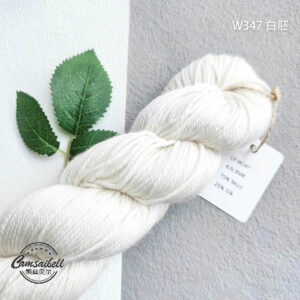
Why Is It Called Double-Knitting Yarn?
The name originates from historical British knitting practices.
Traditionally:
Knitters doubled fine yarn strands
The resulting yarn thickness became associated with “double knitting.”
Over time, the name evolved into a formal yarn weight category
Today, the term remains, even though modern DK yarn is typically manufactured directly to DK thickness rather than created by combining two strands.
Where Double-Knitting Yarn Fits in Yarn Weight Classification?
DK yarn occupies the middle-light range of yarn thickness.
Standard Relative Position
| Yarn Weight Category | Relative Thickness | Common Needle Size |
| レース | Very Fine | 1.5–2.25 mm |
| フィンガリング | Fine | 2.25-3.25 mm |
| スポーツ | Light | 3.25-3.75 mm |
| Double-Knitting (DK) | Medium-Light | 3.75-4.5 mm |
| ウーステッド | ミディアム | 4.5-5.5 mm |
| かさばる | Heavy | 5.5–8 mm |
Key Characteristics of Double-Knitting Yarn
Double-knitting yarn is highly versatile due to its balance of desirable properties.
- Moderate thickness
DK yarn is thick enough to provide warmth and body without making garments bulky.
- Good stitch definition
Its balanced diameter makes textured stitches, cables, and colourwork highly visible.
- Comfortable drape
DK yarn creates fabric that drapes better than heavier worsted or bulky yarn.
- Faster knitting than fine yarn
Projects are completed more quickly than with fingering or sport-weight yarn, while retaining detail.
Common Fiber Types Used in Double-Knitting Yarn
Double-knitting yarn can be made from a variety of fibres.
- Natural fibres
– Wool
– Merino wool
– Cotton
– Alpaca
– Cashmere blends
- Synthetic fibres
– Acrylic
– Polyester
– Nylon blends
- Sustainable/speciality fibres
– Recycled polyester
– Bamboo viscose
– Organic cotton
– Eco-blended fibres
Typical Uses of Double-Knitting Yarn
The versatility of DK yarn makes it one of the most popular yarn categories worldwide.
- Apparel
– Sweaters
– Cardigans
– Pullovers
– Dresses
– Vests
- Baby products
– Baby sweaters
– Blankets
– Hats
– Booties
- Accessories
– Scarves
– Gloves
– Shawls
– Beanies
- Home textiles
– Cushion covers
– Decorative throws
– Lightweight blankets
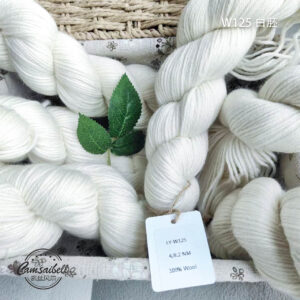
Best Applications for Double-Knitting Yarn
| Product Type | Why DK Yarn Works Well |
| Sweaters | Balanced warmth and drape |
| Babywear | Soft, lightweight, comfortable |
| Accessories | Good stitch detail and flexibility |
| Blankets | Warm without excessive bulk |
| Fashion Knitwear | Refined appearance |
Double-Knitting Yarn vs Other Yarn Weights
Understanding the DK weight relative to other weights helps buyers and designers to choose correctly.
- DK vs. sport weight
DK is:
– Slightly thicker
– Warmer
– Faster to knit
– Less delicate
- DK vs worsted weight
DK is:
Lighter
– More drapey
– Less bulky
– Better for transitional garments
Why Double-Knitting Yarn Is Popular in Commercial Knitwear?
Manufacturers favor DK yarn because it offers:
Broad seasonal usability
Excellent machine-knitting compatibility
Consumer-friendly garment weight
Strong aesthetic versatility
This makes DK particularly attractive for fashion knitwear, babywear, and mid-weight sweaters.
How Double-Knitting Yarn Affects Garment Performance?
The comfort, structure, durability, and aesthetic quality of knitted garments are all influenced by the type of double-knitting yarn used. As it is commonly used in medium-weight knitwear and structured knitted apparel such as sweaters, its composition and construction directly influence the performance of the finished product.
- Enhances fabric stability and structure
– Produces a denser and more stable knit compared with lighter yarn constructions
– Helps garments maintain their shape when worn or washed
– Suitable for structured knitwear and premium sweaters
- Improves warmth and insulation
Greater yarn bulk contributes to improved thermal retention
Ideal for autumn/winter garments and layering pieces
- Influences hand feel and comfort
Fibre composition affects softness, breathability, and skin comfort. Cotton blends provide softness, wool blends enhance warmth, and synthetics improve resilience.
- Affects durability and pilling resistance
Higher-quality double-knitting yarn improves abrasion resistance and reduces pilling
Yarn twist and fibre length strongly impact long-term wear performance
- Determines drape and silhouette
Heavier DK yarn creates more structured silhouettes.
Influences the garment’s body, drape, and overall visual appearance.
- Impacts production efficiency
Consistent yarn quality improves the performance of knitting machines
Reduces breakage, defects, and tension inconsistency during manufacturing
Industrial Manufacturing of Double-Knitting Yarn
The industrial production of double-knitting yarn involves multiple controlled processes to ensure uniformity, strength, and optimal knitting performance.
- Fibre selection and preparation
Raw fibres are selected based on the intended application and performance requirements.
Common fibre types:
Cotton, wool, acrylic, polyester, nylon, and blended fibres.
The fibres are cleaned, opened, and blended for consistency.
- Carding and combing
Carding aligns fibres into a loose web or sliver.
Combing (if required) removes short fibres and impurities, improving yarn smoothness and uniformity.
- Drawing and roving
Fibres are drafted and blended for even weight distribution. Roving prepares the material for spinning.
- Spinning
Fibres are twisted into yarn using industrial spinning systems.
Common methods:
Ring spinning
Open-end spinning
Compact spinning
The twist level is adjusted according to the desired strength and softness of the yarn.
- Ply Twisting/Doubling
Multiple yarn strands can be combined and twisted to achieve:
– greater strength
– better balance
– improved dimensional stability
- Dyeing and finishing
The yarn may be:
– Dyed before knitting
– Treated for softness, anti-pilling, or functional finishes
- Quality control and packaging
The final yarn undergoes inspection for:
– Evenness
– Tensile strength
– Twist consistency
– Colour uniformity
– Defect control
Why Buyers Should Choose Professional Yarn Manufacturers
It is crucial to select a professional yarn manufacturer to ensure consistent quality, a reliable supply, and long-term product performance. In competitive textile markets, the quality of yarn directly affects fabric stability, the appearance of garments, production efficiency, and brand reputation.
- Consistent product quality
Professional manufacturers maintain strict quality control throughout production.
Benefits include:
– Stable yarn count and weight
– Uniform twist and evenness
– Better colour consistency
– Reduced contamination and defects
- Advanced production technology
Established manufacturers invest in modern spinning and testing equipment.
利点がある:
– Higher production precision
– Better fibre processing efficiency
– Improved yarn strength and performance
– Lower defect rates
- Strong technical support
Professional suppliers provide technical expertise beyond simple production.
Support may include:
– Material recommendations
– Yarn customisation guidance
– Application-specific development
– Troubleshooting for knitting performance
- Reliable capacity and delivery
Experienced manufacturers offer more stable production planning.
Results:
– Better lead-time control
– Consistent large-volume supply
– Reduced risk of shipment delays
- Better compliance and traceability
Professional mills are more likely to maintain certifications and compliance systems.
Examples:
– OEKO-TEX
– GRS/recycled certifications
– ISO quality management systems
- Greater customisation capability
Capable manufacturers can develop bespoke yarn solutions.
Custom options:
– Fiber blends
– Twist levels
– Dyeing methods
– Functional treatments
– Specialised yarn counts
Why Consider Loyalyarns for Double-Knitting Yarn Supply
Loyalyarns is a specialized yarn manufacturer/supplier offering multiple yarn categories, including custom knitting yarn solutions for apparel, knitwear, and textile applications.
Their published capabilities indicate support for various fiber blends, counts, and OEM/ODM yarn customization services, making them a relevant sourcing option for brands and textile buyers seeking professional DK yarn supply.
How to Choose the Right Double-Knitting Yarn?
To choose the correct double-knitting yarn, you need to consider both the technical performance requirements and the intended use.
- Define the end product application
Different garments require different yarn characteristics.
Examples:
Sweaters: softness and warmth
Active knitwear: breathability and resilience
Children’s wear: skin-friendliness and durability
- Select appropriate fibre composition
Fibre type determines the yarn’s feel and performance.
Common options:
Cotton: Soft and breathable
Wool: Warm and naturally elastic
Acrylic: Lightweight and cost-effective
– Polyester/nylon: Durable and retains its shape
Blends: Balanced performance
- Evaluate yarn weight and count
Evaluate yarn weight and count to ensure the yarn size matches the intended fabric structure and machine gauge.
- Consider twist and ply construction
Twist level affects:
Strength
柔らかさ
Pilling resistance
Stitch definition
- Assess performance requirements
Check whether the application requires:
– Anti-pilling
– Stretch recovery
– Wash resistance
– Colorfastness
– Thermal performance
- Request samples and testing data
Always validate before making a bulk purchase.
Review:
– Hand feel
– Knit performance
– Wash results
– Shrinkage
– Pilling resistance
- Choose a reliable manufacturer
Supplier capability is as important as yarn specification.
Evaluate:
– Experience
– Certifications
– Production capacity
– Technical support
– Reputation
Double-Knitting Yarn Selection Guide
| Requirement | Recommended Consideration |
| Soft Babywear | Cotton / Merino DK |
| Budget Knitwear | Acrylic DK |
| Premium Sweaters | Wool / Cashmere Blend DK |
| Durable Activewear | Synthetic Blend DK |
| Sustainable Product Line | Recycled / Organic DK |
FAQ About Double-Knitting Yarn
Q1: What does DK mean in yarn?
DK stands for double-knitting, a medium-light yarn weight classification.
Q2: Is double-knitting yarn made from two strands?
Not necessarily. Modern DK refers mainly to weight, not construction.
Q3: What is double-knitting yarn used for?
It is commonly used for sweaters, babywear, accessories, and lightweight blankets.
Q4: Is DK yarn thicker than sport weight?
Yes. DK is slightly thicker than sport-weight yarn.
Q5: Is DK yarn thinner than worsted?
Yes. DK is generally lighter and thinner than worsted-weight yarn.
Q6: Which manufacturer supplies professional DK yarn?
Manufacturers such as Loyalyarns provide double-knitting yarn and customized yarn development services.
結論
Double-knitting yarn is a highly versatile medium-weight yarn valued for its balanced thickness, stitch definition, warmth, and drape. Despite its name, in modern textile terminology, the term primarily refers to yarn weight rather than a literal doubling of strands. Due to its adaptability in sweaters, babywear, accessories, and commercial knitwear, DK yarn remains one of the most widely used categories in hand knitting and industrial apparel production.
For brands and textile buyers, selecting the right double-knitting yarn requires careful evaluation of fibre composition, twist structure, performance requirements, and manufacturing consistency. Partnering with experienced suppliers such as Loyalyarns can help to ensure consistent quality and the development of yarns tailored to specific applications.

 Japanese
  English
  Russian
  Korean
  Spanish
  French
  German