
The main difference between пушистая пряжа and regular yarn lies in their texture, structure, thermal performance, and visual appearance. Fluffy yarn has a raised pile, brushed fibres, or a fuzzy surface, which creates exceptional softness and warmth. Regular yarn has a smoother, more defined structure, which provides better stitch definition, durability, and versatility.
According to The Textile Institute Handbook and Handbook of Textile Fibres by J. Gordon Cook, the characteristics of a yarn’s surface significantly influence its insulation properties, comfort, aesthetic appeal, and performance in its intended application. This makes the selection of yarn a critical factor in textile production and handmade crafts.
Введение
The global textile and yarn industry is constantly evolving in response to consumers’ demands for greater comfort, functionality, and visual appeal in fabrics and apparel. Whether for knitting, crocheting, weaving, home textiles, fashion garments, or industrial applications, yarn is the fundamental building block of fabric. Of the many types of yarn available today, fluffy and regular yarn are two categories that often raise questions among crafters, designers, manufacturers, and buyers.
At first glance, the difference appears simple. Fluffy yarn looks soft and fuzzy, while regular yarn appears smoother and more structured. However, the distinction extends far beyond appearance. The two types differ in terms of fibre arrangement, manufacturing processes, warmth retention, durability, stitch visibility, maintenance requirements, and suitable applications.
As textile innovation advances, fluffy yarns are becoming increasingly popular for blankets, plush toys, loungewear, winter garments, and luxury home décor products. Meanwhile, regular yarn remains the industry standard for garments, accessories, weaving projects, and applications requiring strength and precision.
Understanding the differences between fluffy and regular yarn can help manufacturers optimise product performance, retailers improve inventory selection, and consumers make better purchasing decisions.
What Is Fluffy Yarn?
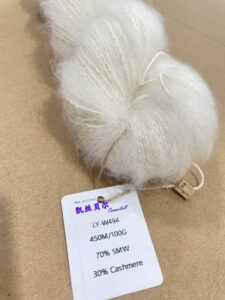
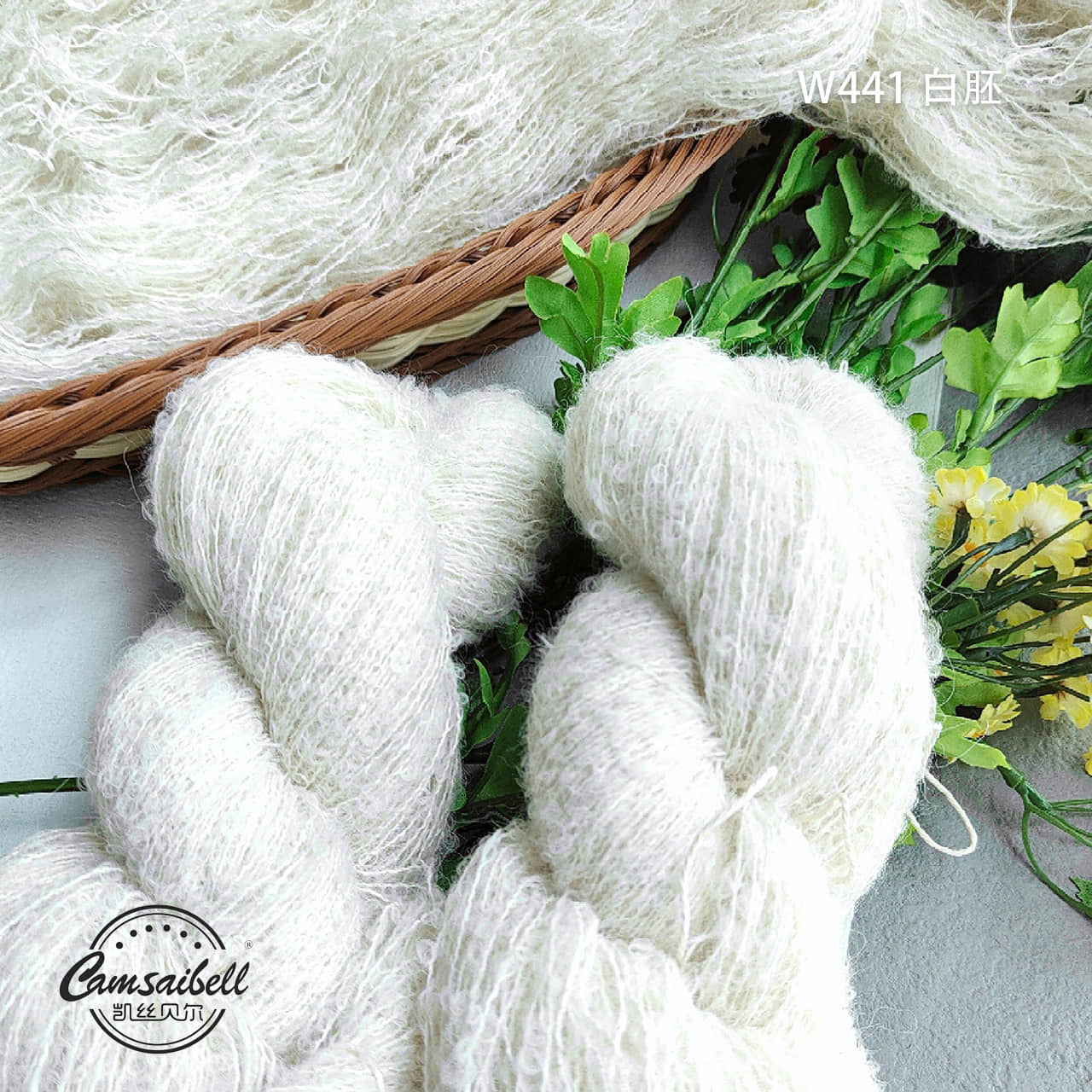
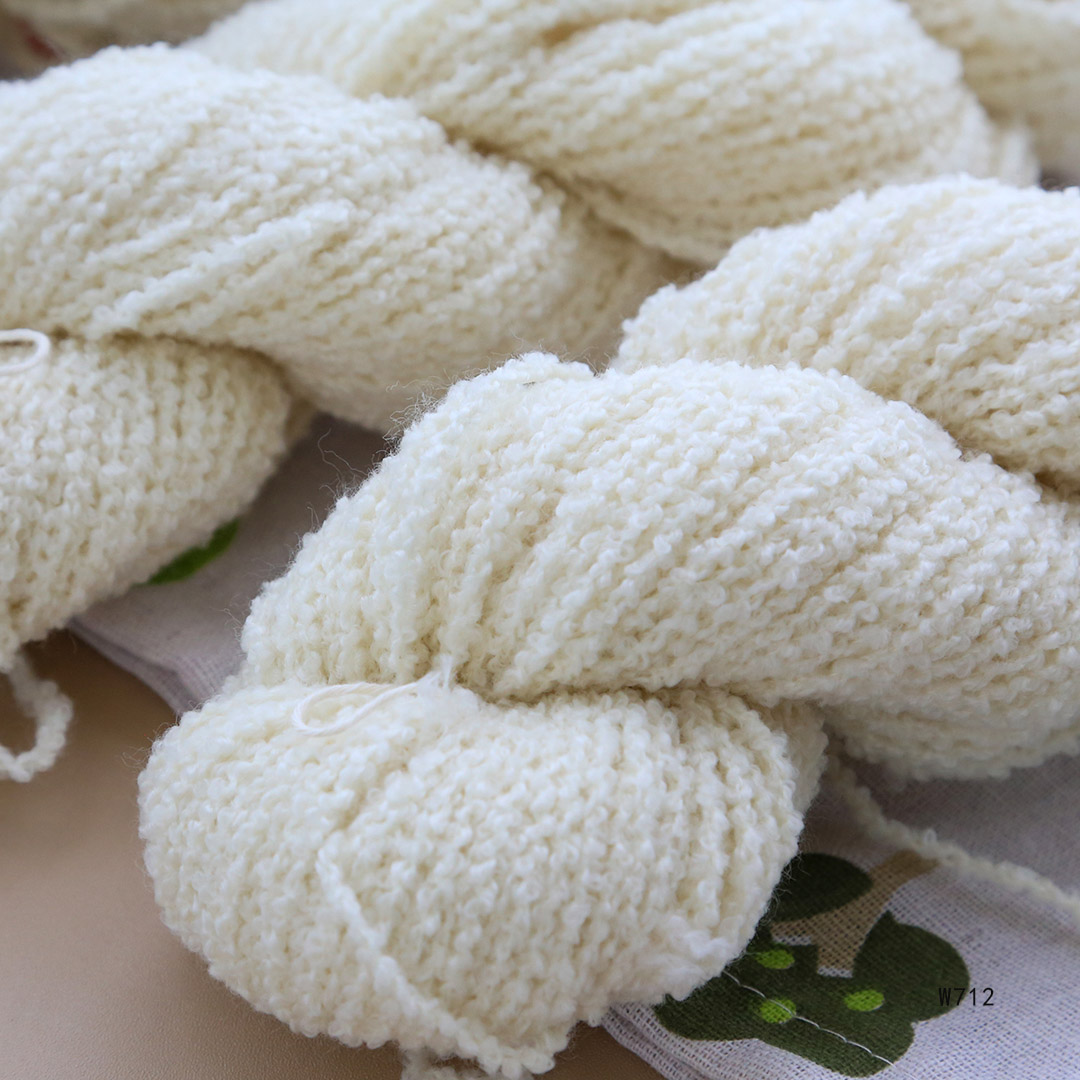
Fluffy yarn refers to yarns with a soft, fuzzy, hairy, or plush texture. Unlike conventional yarns, which have clearly visible twists and smooth strands, fluffy yarns contain protruding fibres that create a voluminous appearance and a highly tactile surface.
This effect can be achieved through brushing processes, specialised spinning techniques, looped fibre construction, chenille structures, eyelash yarn technology, or microfibre pile creation. The resulting yarn traps air efficiently, increasing softness and insulation.
Many consumers associate fluffy yarn with:
- Plush blankets
- Cosy sweaters
- Soft toys
- Зимние аксессуары
- Luxury bedding products
Because of its comforting texture, fluffy yarn has become particularly popular in children’s products and home textiles.
What Is Regular Yarn?
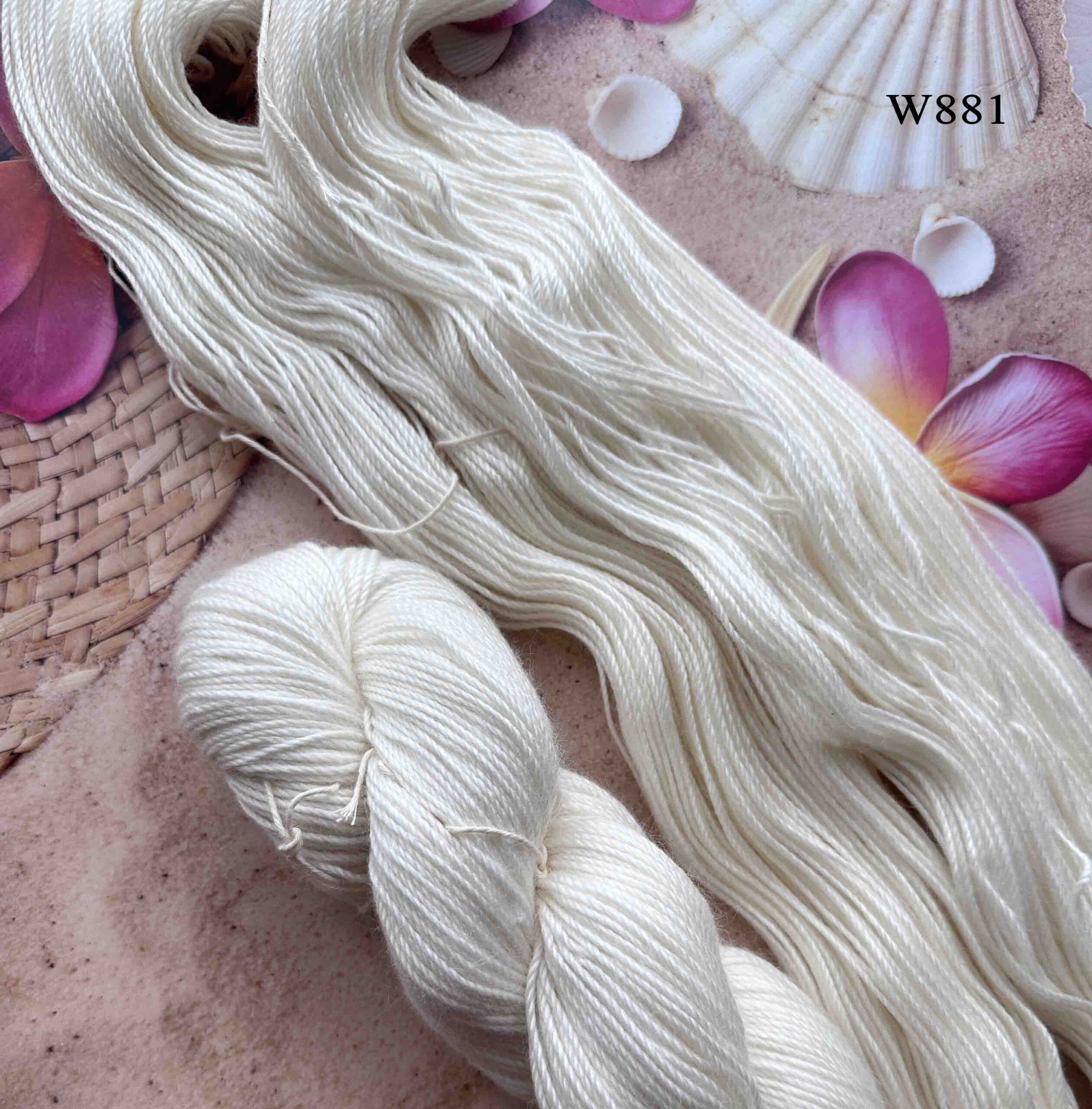
Regular yarn refers to traditional spun yarns that have a relatively smooth and clearly defined structure. These yarns are produced by twisting fibres together to create continuous strands that are ideal for knitting, crocheting, weaving, or industrial textile manufacturing.
Common types of regular yarn include:
- Cotton yarn
- Wool yarn
- Acrylic yarn
- Polyester yarn
- Linen yarn
- Blended yarns
Regular yarn typically exhibits the following properties:
- Visible stitch definition
- Consistent diameter
- Predictable tension behaviour
- Greater structural stability
Its versatility makes it suitable for a wide range of applications, from fashion apparel to upholstery and industrial textiles.
The Core Difference Between Fluffy Yarn and Regular Yarn
Although both types of yarn serve similar fundamental purposes, they have substantially different characteristics.
-
Structural differences
The most obvious distinction lies in surface structure.
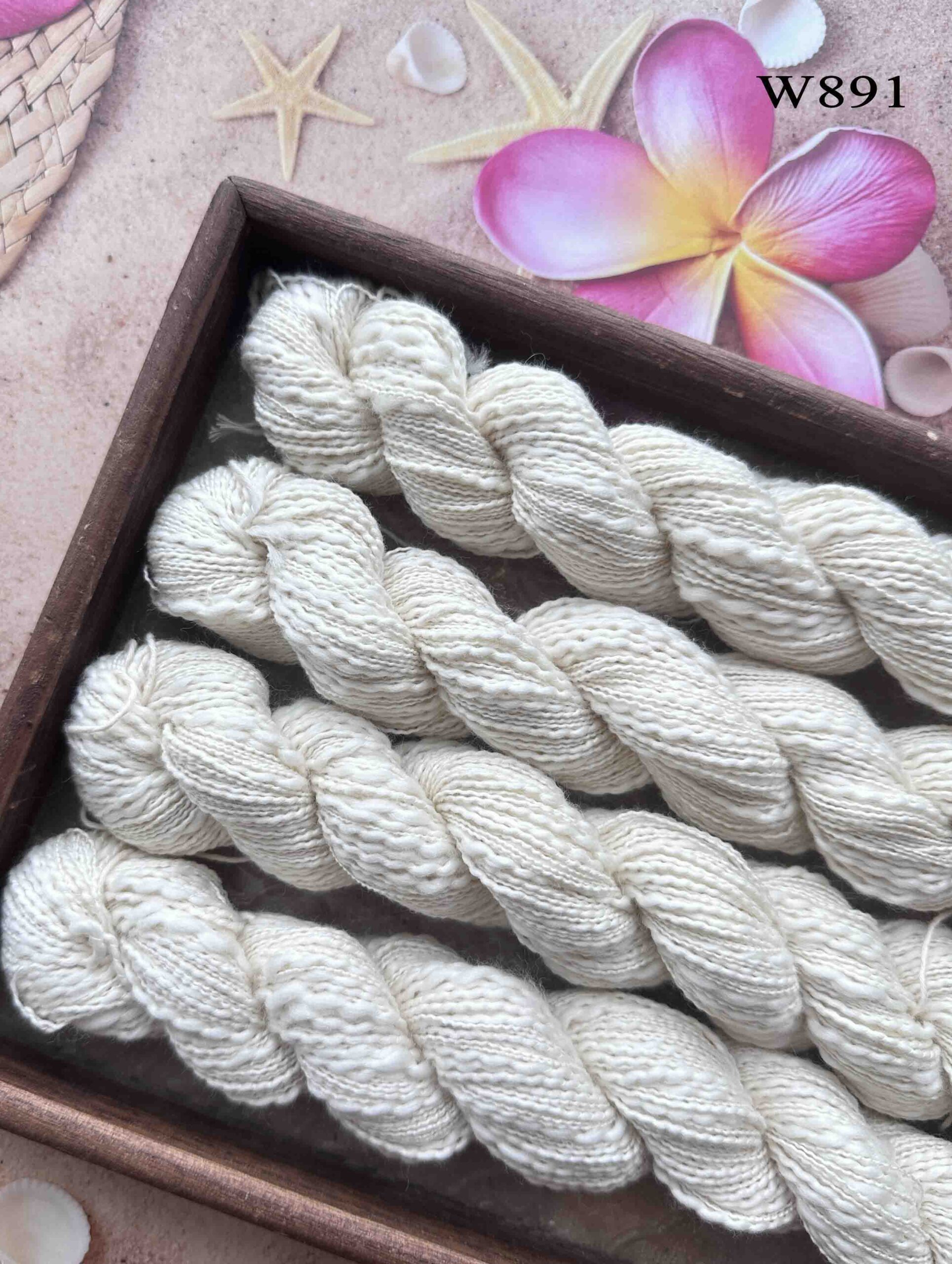
Regular yarn has tightly controlled fibre alignment and visible twisting. Individual stitches remain clearly identifiable after knitting or crocheting.
In contrast, fluffy yarn contains loose surface fibres that obscure stitch patterns and create a soft, cloud-like appearance.
This structural difference affects nearly every aspect of fabric performance.
-
Visual appearance
Fluffy yarn creates:
- Soft visual depth
- Plush texture
- Luxurious appearance
- Voluminous fabrics
Regular yarn creates:
- Clean stitch definition
- Sharp patterns
- Structured appearance
- Technical precision
Designers often select fluffy yarn when texture is a primary design objective, while regular yarn is preferred when intricate stitch patterns need to remain visible.
Fluffy Yarn vs Regular Yarn Comparison Table
| Характеристика | Fluffy Yarn | Regular Yarn |
| Surface Texture | Soft and fuzzy | Smooth and defined |
| Stitch Visibility | Низкий | Высокий |
| Warmth Retention | Превосходно | Moderate to High |
| Долговечность | Умеренный | Высокий |
| Ease of Knitting | Умеренный | Easy |
| Fabric Volume | Высокий | Умеренный |
| Weight-to-Warmth Ratio | Превосходно | Хорошо |
| Maintenance | Умеренный | Easy |
| Suitable for Beginners | Sometimes Challenging | Highly Suitable |
| Decorative Effect | Strong | Умеренный |
Manufacturing Processes: How Fluffy Yarn and Regular Yarn Are Produced
The production process significantly influences the final properties of each type of yarn.
Fluffy yarn manufacturing
Fluffy yarn often undergoes additional finishing processes beyond conventional spinning.
Common methods include:
- Brushing
Specialised brushes raise fibre ends from the yarn surface to create softness and loft.
- Chenille construction
Chenille yarn traps short fibres between core yarns to produce a velvet-like appearance.
- Eyelash yarn technology
Decorative fibres extend outwards from a central core to create dramatic texture.
- Microfibre processing
Extremely fine synthetic fibres create a luxurious softness while maintaining durability.
These manufacturing techniques contribute to the distinctive characteristics of fluffy yarn.
Regular Yarn Manufacturing
The production of regular yarn is designed to create a consistent and reliable product that meets the requirements of a wide range of textile applications. Compared with the production of speciality or fancy yarns, the process is generally more standardised and focuses on achieving uniformity, strength, and efficient large-scale production.
Key stages of regular yarn production:
- Fibre preparation
The process begins with the selection and preparation of raw fibres, which may include:
- Хлопок
- Polyester
- Viscose
- Шерсть
- Blended fibres
During this stage, impurities are removed, and fibres are conditioned for further processing.
- Carding or combing
Carding aligns fibres into a loose, continuous web while removing any remaining contaminants and short fibres.
Combing is an optional step used for higher-quality yarns. It further aligns fibres and removes additional short fibres, resulting in:
- Improved yarn uniformity
- Higher strength
- Smoother surface appearance
- Drawing
Drawing involves combining and stretching multiple fibre slivers to improve fibre parallelisation and consistency.
Benefits include:
- Better fibre alignment
- Reduced mass variation
- Enhanced yarn quality
This stage is critical for achieving a uniform final product.
- Spinning
Spinning transforms the drawn fibre strand into yarn by applying controlled drafting and twist.
Common spinning technologies include:
- Ring spinning
- Rotor spinning
- Air-jet spinning
- Compact spinning
The method selected influences the properties of the yarn, such as strength, softness, and production efficiency.
- Twisting
Twist is introduced to bind fibres together and provide mechanical integrity.
The amount of twist affects:
- Yarn strength
- Эластичность
- Hairiness
- Appearance
Proper twist balance is essential for optimal performance in downstream textile processes.
- Winding
The finished yarn is wound onto cones, bobbins, or packages suitable for storage, transportation, and subsequent textile manufacturing operations.
Modern winding systems may also:
- Remove yarn defects
- Monitor yarn quality
- Improve package consistency
Thermal Performance: Which Yarn Is Warmer?
One of the most common questions concerns warmth.
In general, fluffy yarn provides superior insulation thanks to its ability to trap air.
Air is one of the most effective natural insulators. The fuzzy surface of fluffy yarn creates numerous microscopic air pockets that reduce heat transfer.
As a result, fluffy yarn is commonly used for:
- Winter garments
- Blankets
- Throws
- Plush accessories
- Cold-weather products
Regular yarn can also provide warmth, particularly if it is made from wool, alpaca, or similar fibres. However, its smoother structure generally traps less air.
Comfort and Softness Comparison
The softness of fluffy yarn is often the primary reason why consumers choose it.
The raised fibres create a tactile experience that many people associate with luxury and comfort.
Benefits include:
- Reduced skin irritation
- Enhanced cosiness
- A pleasant touch sensation
- A child-friendly texture
However, softness is not exclusive to fluffy yarn.
High-quality regular yarns made from merino wool, cashmere, bamboo, or premium cotton can also offer exceptional comfort.
The difference lies primarily in surface feel rather than fibre quality.
Durability and Longevity
Durability is an important consideration for manufacturers and consumers alike.
Regular yarn generally performs better in applications where there is a lot of wear and tear because its fibres are more securely integrated into the yarn structure.
Advantages include:
- Reduced shedding
- Better abrasion resistance
- Greater dimensional stability
- A longer service life
Fluffy yarn may experience:
- Fibre loss
- Surface matting
- Pile compression
- Reduced appearance retention
This does not necessarily indicate poor quality, but reflects the inherent trade-offs associated with highly textured yarn structures.
Best Applications for Fluffy Yarn
Fluffy yarn is ideal for products where softness and warmth are important.
Common applications include:
- Blankets and throws
The plush texture creates a luxurious feel, making it ideal for home comfort products.
- Baby products
Many baby blankets and plush toys utilise fluffy yarn due to its soft touch.
- Зимние аксессуары
Popular products include:
- Scarves
- Hats
- Gloves
- Ear warmers
- Plush toys and amigurumi
The fuzzy surface enhances visual appeal and tactile engagement.
- Home décor
Decorative cushions, throws, and accent pieces often benefit from the texture of fluffy yarn.
Best Applications for Regular Yarn
Regular yarn is still the most versatile choice for many textile projects.
- Garments
Suitable for:
Sweaters
- Cardigans
- Dresses
- Shirts
- Crochet projects
Clear stitch visibility simplifies pattern execution.
- Weaving
Regular yarn provides consistency and structural reliability.
- Industrial textiles
The strength and predictability of regular yarn make it essential in manufacturing environments.
- Technical designs
Complex patterns remain highly visible when regular yarn is used.
Fluffy Yarn vs Regular Yarn for Beginners
Beginners often wonder which type of yarn is easiest to use.
In most cases, regular yarn is the best option.
Reasons for this include:
- Easier stitch identification;
- Simpler error correction;
- More predictable tension control;
- Greater pattern visibility.
Fluffy yarn can obscure stitches, making counting and troubleshooting more difficult.
However, experienced crafters often enjoy the creative possibilities offered by fluffy yarn.
How to Choose Between Fluffy Yarn and Regular Yarn?
The best choice depends on the requirements of the project.
-
Choose fluffy yarn if you need:
- Maximum softness
- High warmth
- A plush appearance
- A luxury texture
- A decorative impact
-
Choose regular yarn if you need:
Долговечность
- Precision
- Visible stitch patterns
- Easier handling
- Greater versatility
For manufacturers and textile businesses, balancing performance requirements with consumer preferences is critical.
Some suppliers, including Loyalyarns, offer both speciality fluffy yarns and traditional yarn categories, enabling brands to select materials optimised for specific product applications.
Industry Trends in 2026
Several trends are influencing yarn development.
- Sustainable Fibers
Consumers increasingly prefer:
- Recycled polyester
- Organic cotton
- Responsible wool sourcing
- Functional Fluffy Yarns
Manufacturers are developing fluffy yarns with:
- Moisture management
- Anti-pilling properties
- Enhanced durability
- Luxury Home Textiles
Demand for premium blankets and throws continues to grow globally.
- Hybrid Yarn Structures
New products combine fluffy outer layers with stronger core yarns to improve durability while maintaining softness.
Frequently Asked Questions (FAQ)
- Is fluffy yarn warmer than regular yarn?
Yes. Fluffy yarn typically traps more air, providing better thermal insulation and warmth.
- Is fluffy yarn harder to knit with?
For beginners, yes. The fuzzy texture can make stitches more difficult to see and count.
- Does fluffy yarn shed?
Some fluffy yarns may shed slightly, particularly lower-quality products. Premium yarns generally minimize shedding through improved manufacturing techniques.
- Can fluffy yarn be used for sweaters?
Absolutely. Fluffy yarn is commonly used in sweaters, cardigans, and winter garments due to its warmth and softness.
- Which yarn is better for crochet beginners?
Regular yarn is generally recommended because stitch visibility and tension control are easier to manage.
- Is fluffy yarn more expensive than regular yarn?
Often yes, especially when specialized fibers, advanced finishing techniques, or premium materials are involved.
Заключение
The difference between fluffy and regular yarn goes far beyond appearance. Fluffy yarn is prized for its softness, warmth, texture, and visual appeal, making it ideal for blankets, plush toys, winter accessories, and luxury home textiles. Regular yarn, on the other hand, emphasises versatility, durability, stitch definition, and structural consistency, making it suitable for garments, crochet projects, weaving, and industrial applications.
Neither type of yarn is inherently better; the optimal choice depends entirely on the intended application. Understanding how their structure, manufacturing methods, thermal performance, durability, and maintenance requirements differ enables consumers and manufacturers to make informed decisions that maximise product quality and user satisfaction.
As textile innovation continues to advance, both types of yarn will remain essential materials in 2026, each serving distinct but equally valuable roles within the global textile industry.

 Russian
  English
  Japanese
  Korean
  Spanish
  French
  German