
A standard pair of adult socks usually requires 350–450 yards (320–410 metres) of носочная пряжа, which equates to 50–100 grams, depending on the size of the socks, the knitting pattern, the weight of the yarn, and the individual tension. According to The Knitter’s Book of Socks by Clara Parkes and the technical guidance provided by Vogue Knitting, yarn consumption is mainly determined by stitch density, fibre structure, and the finished dimensions of the sock rather than weight alone.
For most everyday, hand-knitted socks, a 100-gram skein of traditional, fingering-weight sock yarn is sufficient for one adult pair. However, larger sizes, taller cuffs, textured patterns, or thicker yarns may require additional yardage.
Введение
Hand-knitted socks are one of the most popular projects among knitters because they offer a combination of practicality and creativity, as well as the chance to experiment with different yarn textures and patterns. However, one of the most common questions before starting a sock project is: How much yarn is needed for a pair of socks?
Unlike larger projects such as sweaters or blankets, socks use relatively small amounts of yarn, but even minor design differences can significantly impact how much yarn is needed. For example, a short ankle sock may require less than 50 grams, whereas a long winter sock featuring cables, ribbing, or a larger foot size may require a full 100-gram skein or more.
Accurately estimating sock yarn requirements helps knitters avoid running out of yarn midway through a project while also preventing the unnecessary purchase of excess material. Accurate yarn estimation is equally important for manufacturers, retailers, and professional yarn suppliers because customers often select products based on expected project quantity and performance.
This guide explains how much sock yarn is needed for different styles of socks, the factors that influence yarn usage, and how to select the right yarn for durable, comfortable, handmade socks.
Understanding Sock Yarn Requirements
The amount of yarn required to knit socks depends on several interconnected factors, including the weight of the yarn, the size of the socks, the knitting technique used, and the final design. While many knitters use grams as a quick measurement, yardage is often a more reliable method because different fibres and yarn constructions have different densities.
For instance, two 100-gram skeins of yarn can vary greatly in length. A lightweight wool sock yarn, for example, may provide 400 yards or more.
A heavier wool blend may provide significantly fewer yards.
Cotton-based sock yarns may have different weight-to-length characteristics due to fibre density.
Most traditional handmade socks use fingering-weight sock yarn, which generally strikes a balance between durability, comfort and stitch definition. Fingering-weight yarn typically ranges from approximately 360–460 yards per 100 grams, making it ideal for lightweight everyday socks.
However, the quantity of yarn required is not determined only by yarn thickness. The final dimensions of the socks have a major impact. For example, a pair of small ankle socks may use half a skein, whereas a large pair of knee-high socks can require several hundred additional yards.
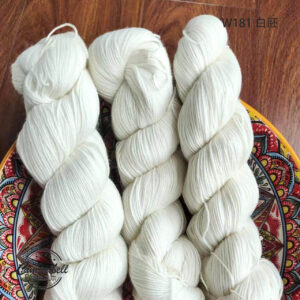
How Much Sock Yarn Do You Need for Different Sock Sizes?
The required amount of sock yarn varies significantly depending on who will wear the socks and the intended style. Foot length, circumference, and sock height all contribute to total yarn consumption.
For standard adult socks knitted with fingering-weight yarn, many patterns are designed around approximately 400 yards of yarn. This amount generally covers average women’s and men’s sizes with a traditional cuff length.
However, larger feet require more stitches and longer foot sections, increasing yarn usage. Similarly, patterns featuring cables, lace, colorwork, or textured stitches usually consume more yarn because additional stitches and structural changes increase the surface area of the finished fabric.
| Sock Type | Approximate Sock Yarn Needed | Typical Yardage |
| Baby socks | 20–40 grams | 80–150 yards |
| Child socks | 40–60 grams | 150–250 yards |
| Women’s ankle socks | 40–70 grams | 180–300 yards |
| Women’s standard crew socks | 70–100 grams | 300–400 yards |
| Men’s standard socks | 80–120 grams | 350–500 yards |
| Knee-high socks | 150–250 grams | 600–1000 yards |
These numbers represent general estimates. Experienced knitters often adjust quantities after considering their personal gauge and preferred sock construction method.
Factors That Affect Sock Yarn Usage
-
Sock Size and Foot Length
The most obvious factor influencing yarn consumption is the physical size of the sock. A larger foot requires more stitches across the toe, heel, and foot sections, resulting in increased yarn usage.
For example, a size US women’s 6 sock and a size US men’s 12 sock may use noticeably different amounts of yarn even when made with the same pattern. This difference becomes especially important when using limited-edition or hand-dyed yarn where matching additional skeins may be difficult.
-
Sock Height
Sock height can dramatically change yarn requirements. A short ankle sock may require only 50 grams of yarn, while a tall boot sock extending toward the calf can require two or three times more material.
Popular sock styles include:
- No-show socks
- Ankle socks
- Crew socks
- Mid-calf socks
- Knee-high socks
Each additional inch of cuff length adds extra knitted fabric and therefore increases yarn consumption.
-
Stitch Pattern and Design Complexity
Simple stockinette socks generally use less yarn than heavily textured designs. Decorative techniques often increase material requirements because they create additional surface structure.
Examples include:
- Cable patterns
- Fair Isle colorwork
- Brioche knitting
- Double-layer designs
- Heavy ribbing
For this reason, knitters planning complex designs should purchase extra yarn rather than relying on minimum estimates.
-
Needle Size and Knitting Tension
Gauge plays a critical role in determining yarn usage. Knitters who create tighter fabric generally use more yarn because more stitches are packed into each square inch. Conversely, looser tension may reduce yarn consumption but can affect sock durability and fit.
For socks, a firm gauge is often preferred because it creates stronger fabric that withstands repeated washing and daily wear.
Choosing the Right Sock Yarn
Selecting suitable sock yarn involves more than choosing a preferred color. Because socks experience repeated stretching, friction, washing, and pressure, fiber composition directly affects comfort and durability.
Traditional sock yarn blends often include:
- Merino wool: Provides softness, warmth, and moisture management.
- Nylon: Improves abrasion resistance and extends sock lifespan.
- Cotton: Offers breathability but requires careful blending for elasticity.
- Bamboo or rayon: Adds softness and smooth texture.
A common commercial sock yarn composition is approximately:
- 75% wool
- 25% nylon
This combination provides a practical balance between natural comfort and mechanical strength.
High-quality sock yarn should maintain shape after repeated use, resist pilling, and provide enough elasticity to fit comfortably around the foot.
How to Calculate Sock Yarn Before Starting a Project?
Although many sock patterns provide estimated yarn requirements, it is helpful to calculate the amount of yarn needed for a project before starting, to avoid shortages and unnecessary purchases. To achieve a more accurate estimate, it is important to consider three key factors: yarn yardage, knitting gauge, and the dimensions of the finished sock.
The first step is to check the pattern specifications. Most professional patterns indicate the recommended yarn weight, needle size, gauge, and estimated yardage. However, if you are modifying the design, such as changing the cuff height, adjusting the foot length, or adding decorative stitches, the original yarn estimate may no longer be accurate.
A practical method is to calculate based on gauge. Gauge represents how many stitches and rows are created within a specific area. Since socks are usually knitted at a relatively tight gauge for durability, even small changes can affect the amount of yarn needed.
Например:
- A tighter gauge creates denser fabric and consumes more yarn.
- A looser gauge uses less yarn but may result in thinner, less durable socks.
- Additional pattern repeats increase the total surface area and require more material.
Experienced knitters often make a small test swatch, measure the yarn used, and estimate the total required based on the dimensions of the finished sock. This approach is particularly useful when working with expensive hand-dyed or limited-production sock yarn.
Does Sock Yarn Weight Affect Yardage?
Yes. The weight classification of yarn has a direct influence on how much material is needed for a pair of socks. While fingering-weight yarn is the most common choice, different yarn thicknesses produce different fabric structures and require different amounts of yarn.
Traditional lightweight socks usually use fingering-weight sock yarn because it creates comfortable, breathable fabric that fits easily inside shoes. However, thicker yarn categories, such as sport-weight or DK-weight, are increasingly popular for winter socks, hiking socks, and slipper-style designs.
| Sock Yarn Weight | Approximate Yardage per 100g | Common Applications |
| Lace Weight | 500–900 yards | Lightweight decorative socks |
| Fingering Weight | 350–460 yards | Everyday socks, traditional patterns |
| Спортивный вес | 250–350 yards | Warm socks, outdoor socks |
| DK Weight | 200–280 yards | Thick winter socks, slipper socks |
| Worsted Weight | 150–220 yards | Heavy indoor socks, boot socks |
Thicker yarn generally requires fewer stitches and produces faster knitting results, but it also changes the final appearance, flexibility, and wearing characteristics of the sock. For everyday footwear, fingering-weight yarn remains the preferred option because it provides a good balance between durability, comfort, and fit.
Common Mistakes When Buying Sock Yarn
Many knitters underestimate the amount of yarn needed because they focus only on weight rather than yardage and project requirements. Understanding common purchasing mistakes can help ensure a successful sock project.
-
Buying Based Only on Weight
A common misunderstanding is assuming that every 100-gram skein creates the same amount of fabric. In reality, fiber type and yarn construction determine how many meters or yards are available.
For example, a dense wool blend may contain fewer yards than a lightweight merino yarn of the same weight.
-
Ignoring Sock Height
Many beginners purchase enough yarn for standard ankle socks but later decide to create taller designs. Increasing cuff length can significantly increase yarn consumption.
Before purchasing, determine whether the project is:
- Short ankle socks
- Crew socks
- Hiking socks
- Knee-high socks
- Decorative long socks
-
Not Considering Pattern Complexity
Simple ribbed socks and plain stockinette designs are generally economical. However, textured designs require additional yarn because stitches create more surface structure.
Colorwork patterns may also increase consumption because multiple yarn strands are carried throughout the fabric.
-
Choosing the Wrong Fiber Blend
Not every soft yarn is suitable for socks. Extremely delicate fibers may feel luxurious but wear out quickly under repeated friction.
For long-lasting socks, many knitters prefer blends containing:
- Merino wool for softness
- Nylon for reinforcement
- Elastic fibers for improved recovery
A well-designed sock yarn should provide both comfort and mechanical durability.
Comparison of Different Sock Yarn Types
|
Sock Yarn Type |
Advantages | Limitations | Best Use |
| Merino Wool Blend | Soft, warm, moisture control | Higher cost | Premium everyday socks |
| Wool/Nylon Blend | Durable, elastic, long-lasting | Less natural composition | Daily wear socks |
| Cotton Blend | Breathable, lightweight | Lower elasticity | Summer socks |
| Bamboo Blend | Smooth texture, soft feel | May require reinforcement | Comfortable casual socks |
| Acrylic Blend | Affordable, easy care | Less moisture management |
Budget projects |
For most sock applications, wool-nylon blends remain the industry standard because they combine natural temperature regulation with improved abrasion resistance.
Sustainable Trends in Sock Yarn Development
The sock yarn market has increasingly focused on sustainability, responsible sourcing, and improved fiber technology. Modern manufacturers are developing yarns that provide durability while reducing environmental impact.
Emerging trends include:
- Responsible wool certification
- Recycled nylon reinforcement
- Plant-based fiber blends
- Low-impact dyeing processes
- Biodegradable packaging
- Traceable fiber supply chains
Consumers are becoming more interested not only in how socks feel but also in where the materials originate and how they are produced.
For yarn suppliers and textile manufacturers, balancing performance, sustainability, and cost efficiency has become a key factor in product development.
Frequently Asked Questions (FAQ)
- How much sock yarn do I need for adult socks?
Most adult socks require approximately 50–100 grams of sock yarn, depending on foot size, sock height, stitch pattern, and yarn weight. A standard 100-gram skein of fingering-weight yarn is usually enough for one pair of adult socks.
- Is 100 grams of sock yarn enough for a pair of socks?
Yes, in most cases. A 100-gram skein containing around 400 yards of fingering-weight yarn is generally sufficient for average adult socks. However, larger feet, tall cuffs, or complex patterns may require additional yarn.
- What weight yarn is best for socks?
Fingering-weight yarn is the most commonly used sock yarn because it creates lightweight, durable, and comfortable socks that fit easily inside shoes. Sport and DK weights are better suited for thicker winter socks.
- Can I make socks with leftover sock yarn?
Yes. Small amounts of leftover sock yarn are commonly used for striped socks, colorwork patterns, contrasting heels, and decorative cuffs. Many knitters combine leftover yarns to create unique designs.
- How much yarn do knee-high socks need?
Knee-high socks typically require significantly more yarn than standard socks. Depending on size and design, they may need approximately 150–250 grams of sock yarn, or 600–1000 yards of material.
- What is the best fiber blend for sock yarn?
A wool and nylon blend is widely considered one of the best choices for everyday socks. Wool provides warmth, softness, and moisture control, while nylon improves abrasion resistance and extends product life.
Заключение
The amount of sock yarn needed for a pair of socks depends on more than just buying a standard skein. While 100 grams is a common guideline for many adult sock projects, the actual amount required varies according to factors such as foot size, sock length, knitting gauge, yarn thickness, and design complexity. Understanding these factors enables knitters to make better purchasing decisions and achieve more consistent results.
Fingering-weight wool-nylon blends remain one of the most practical choices for everyday handmade socks because they provide softness, moisture management, elasticity and long-term durability. However, different projects may require different yarn structures, such as lightweight cotton blends for summer socks or thicker wool blends for outdoor use in cold weather.
By evaluating yardage, fibre composition, project dimensions and intended use before beginning, knitters can select the right sock yarn with confidence. Whether creating a simple pair of everyday socks or a complex, handcrafted design, accurate yarn planning ensures better results, reduces waste and improves the overall knitting experience.

 Russian
  English
  Japanese
  Korean
  Spanish
  French
  German