
What is ramie silk sport yarn? Uses, advantages and applications
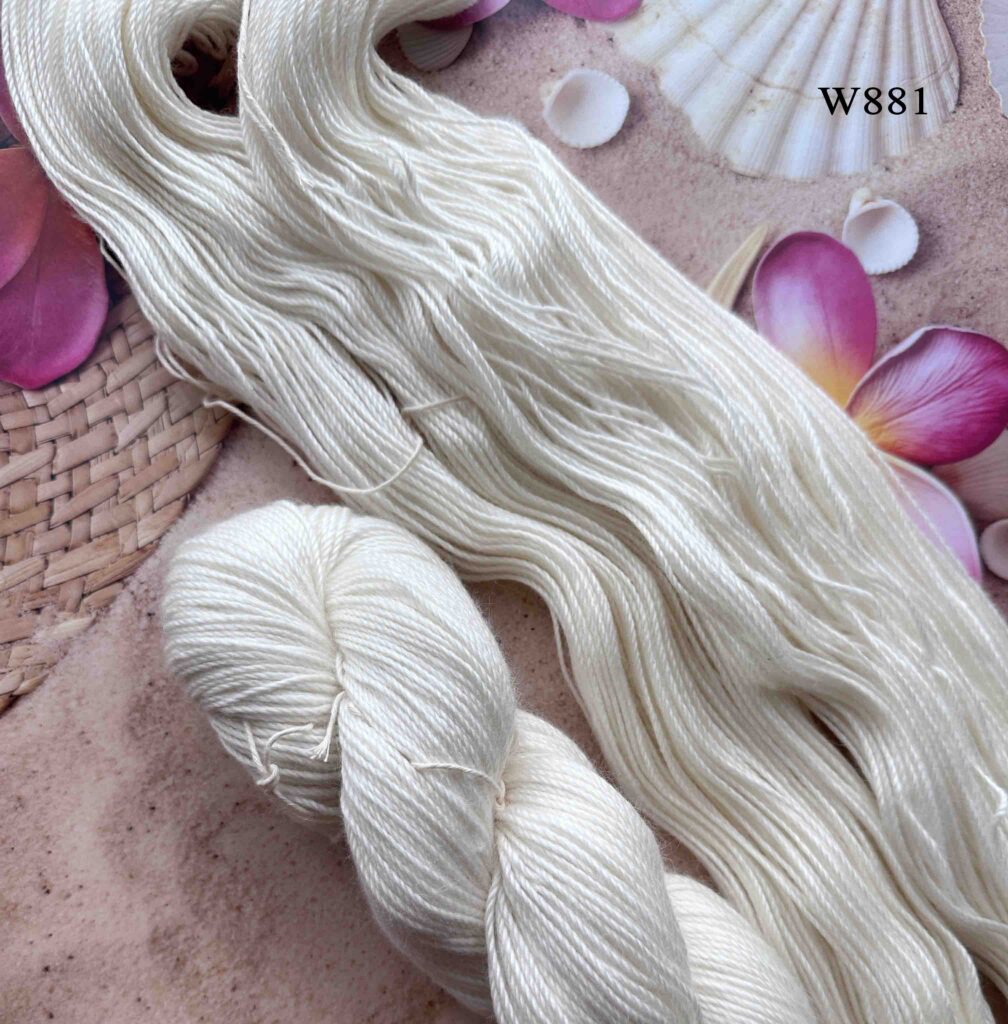
Quick Answer Ramie silk sport yarn is a relatively fine knitting yarn made from a blend of ramie and silk, and sometimes a third fibre such as wool. This combination balances ramie’s strength, lustre, moisture absorption and crisp texture with silk’s smoothness, sheen and drape. The FAO identifies ramie as a strong, lustrous natural fibre […]
What is the difference between slub yarn and regular yarn?
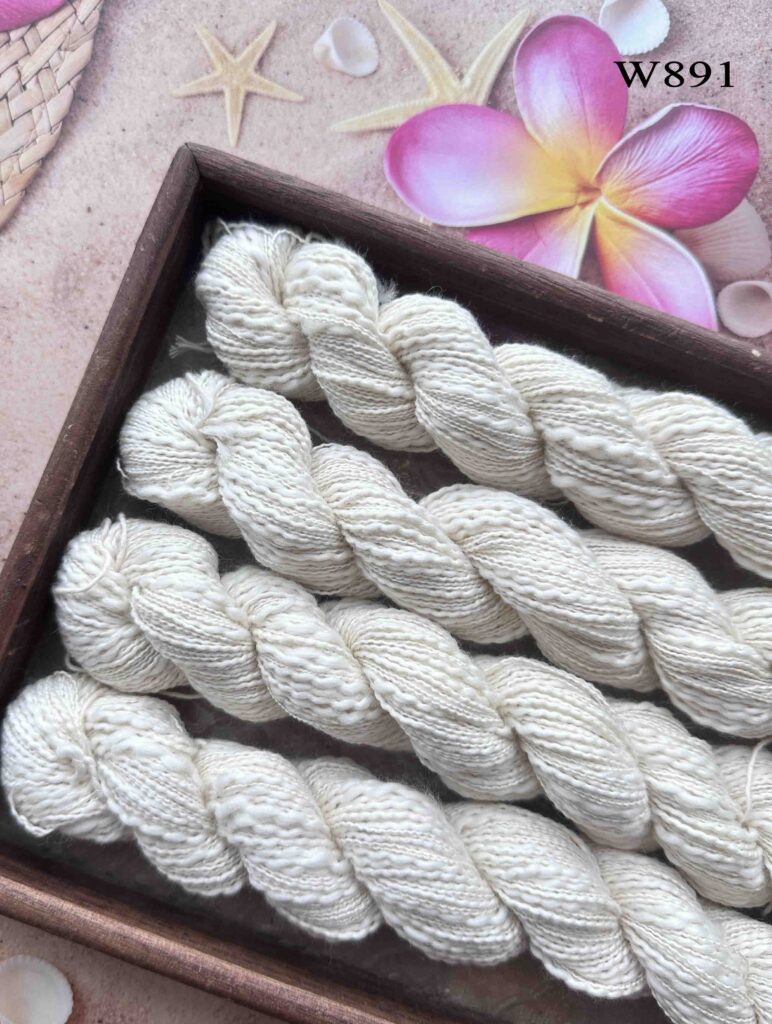
The main difference between slub yarn and regular yarn is the intentional variation in thickness and the effect this has on the fabric. While regular yarn is designed to maintain a consistent linear density, slub yarn deliberately incorporates thicker sections, or ‘slubs’, to create a textured and irregular fabric surface that often looks more natural. […]
How many skeins of chunky yarn for a blanket?
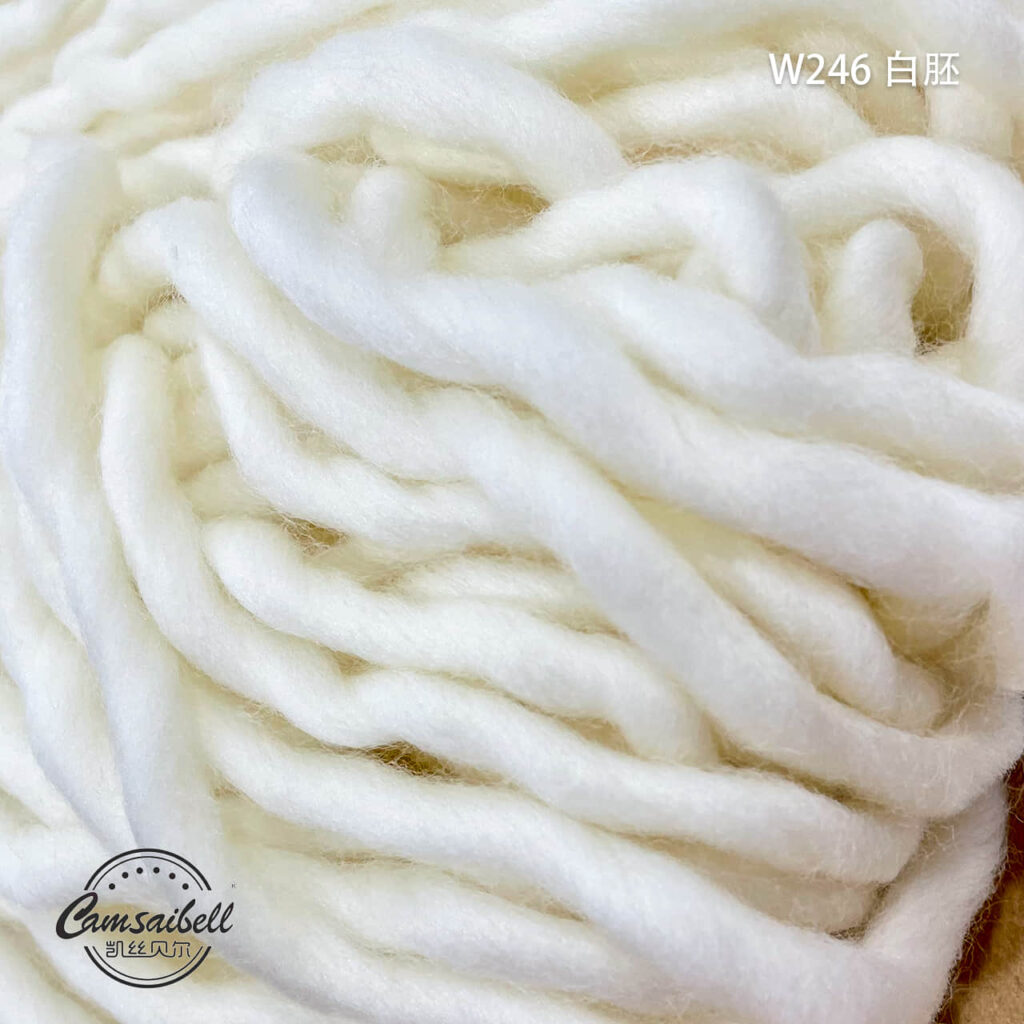
Quick Answer For a typical 130 × 150 cm chunky yarn throw blanket, a practical starting point is around 6–10 skeins, but the exact amount depends on the weight of the yarn (#5, #6, or #7), how many yards each skein contains, the stitch pattern, and whether you knit, crochet, or arm-knit the blanket. The […]
Sport VS DK Yarn: Main Difference and Application
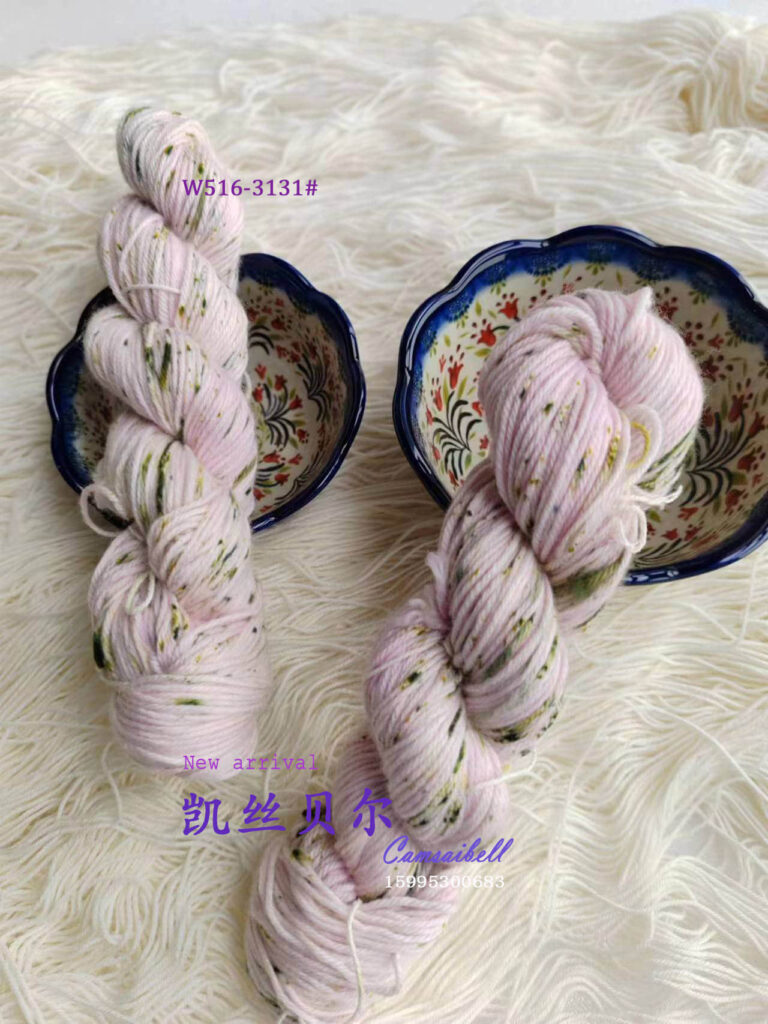
Abstract: Sport yarns and DK yarns are two of the most widely used lightweight yarn weights in hand knitting and crochet. However, they occupy distinct positions on the Craft Yarn Council’s standardised weight scale. Sport yarn (Weight 2) is finer, producing 12–14 stitches per 4 inches on US size 3–5 needles. In contrast, DK yarn […]
How much sock yarn for a pair of socks?
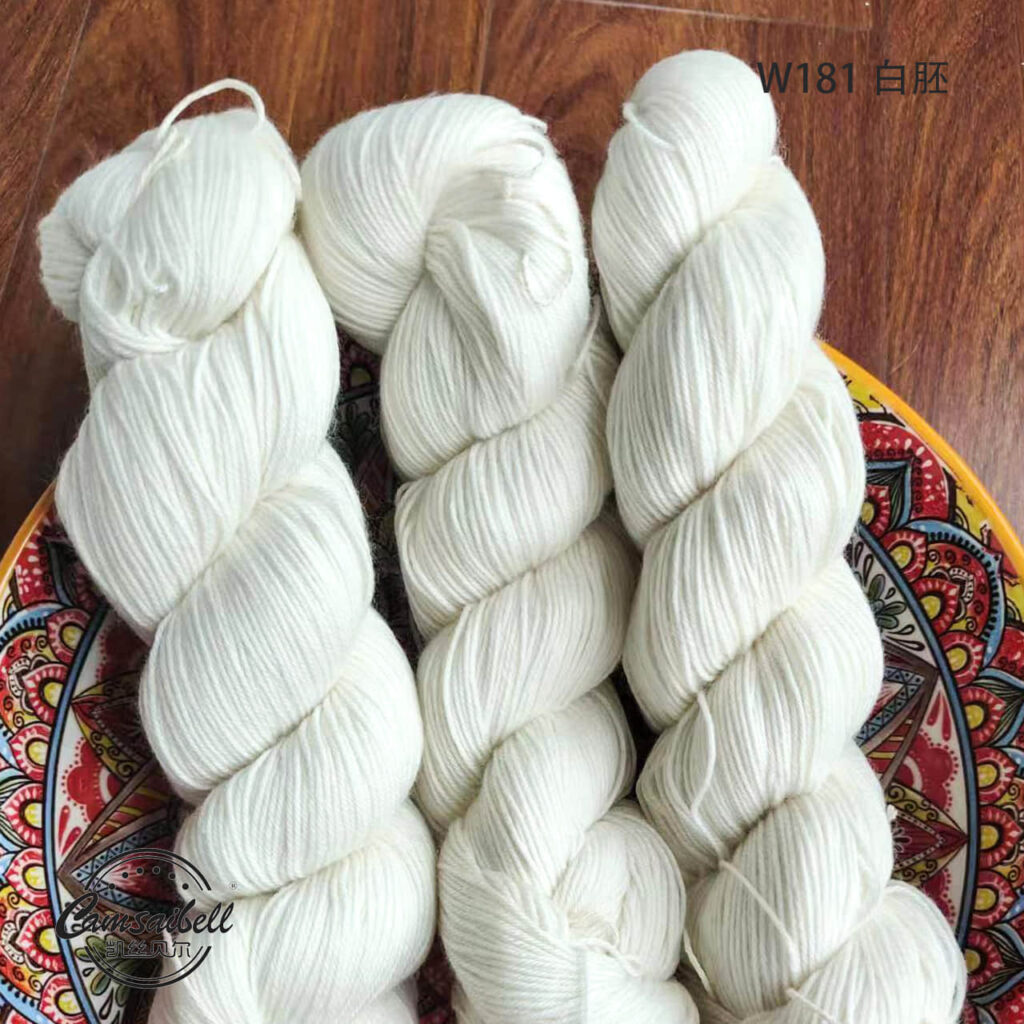
A standard pair of adult socks usually requires 350–450 yards (320–410 metres) of sock yarn, which equates to 50–100 grams, depending on the size of the socks, the knitting pattern, the weight of the yarn, and the individual tension. According to The Knitter’s Book of Socks by Clara Parkes and the technical guidance provided by […]
What is the difference between raw silk and silk yarn?
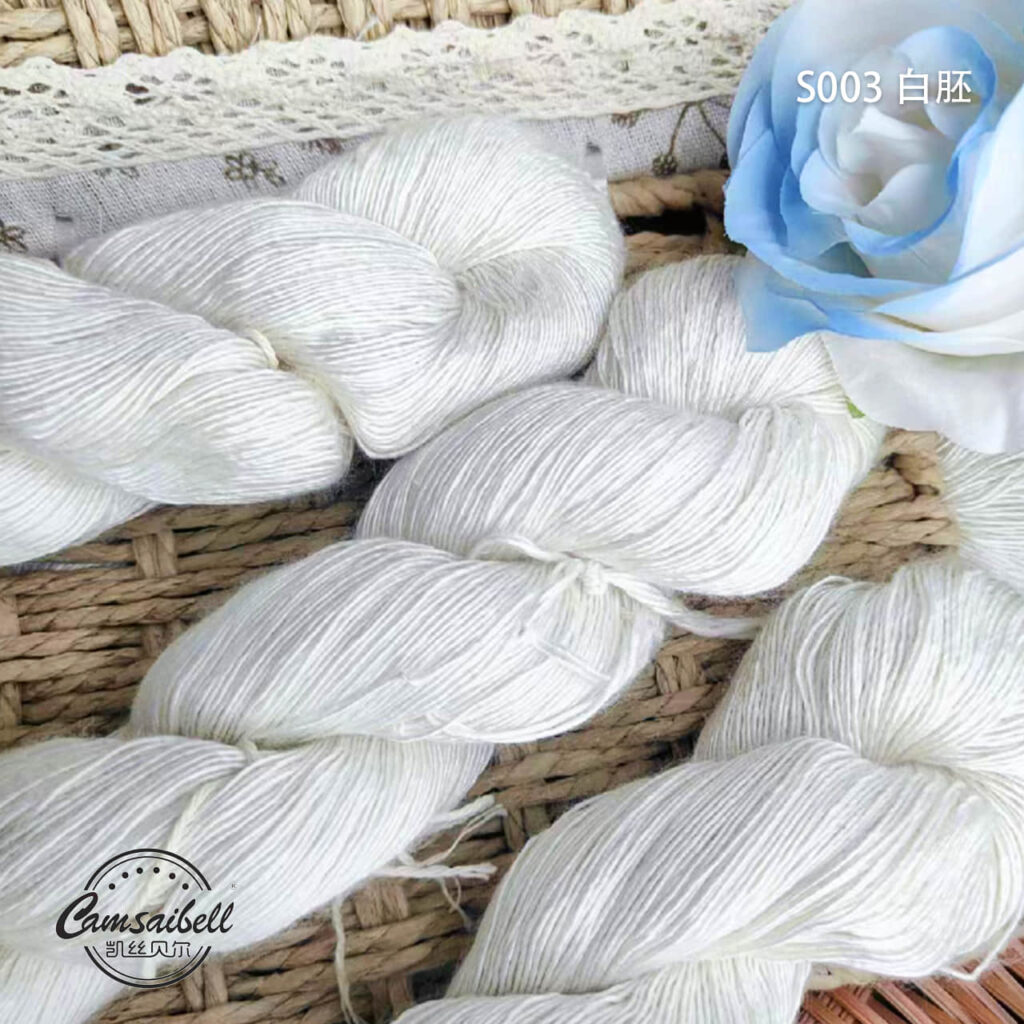
Raw silk refers to silk fibres that have been reeled directly from silkworm cocoons without full degumming. This process retains the natural sericin and gives the silk a slightly coarse texture. In contrast, silk yarn is a processed, spun, and often degummed form of silk that is used for weaving and knitting applications. According to […]
What is the difference between fluffy yarn and regular yarn?
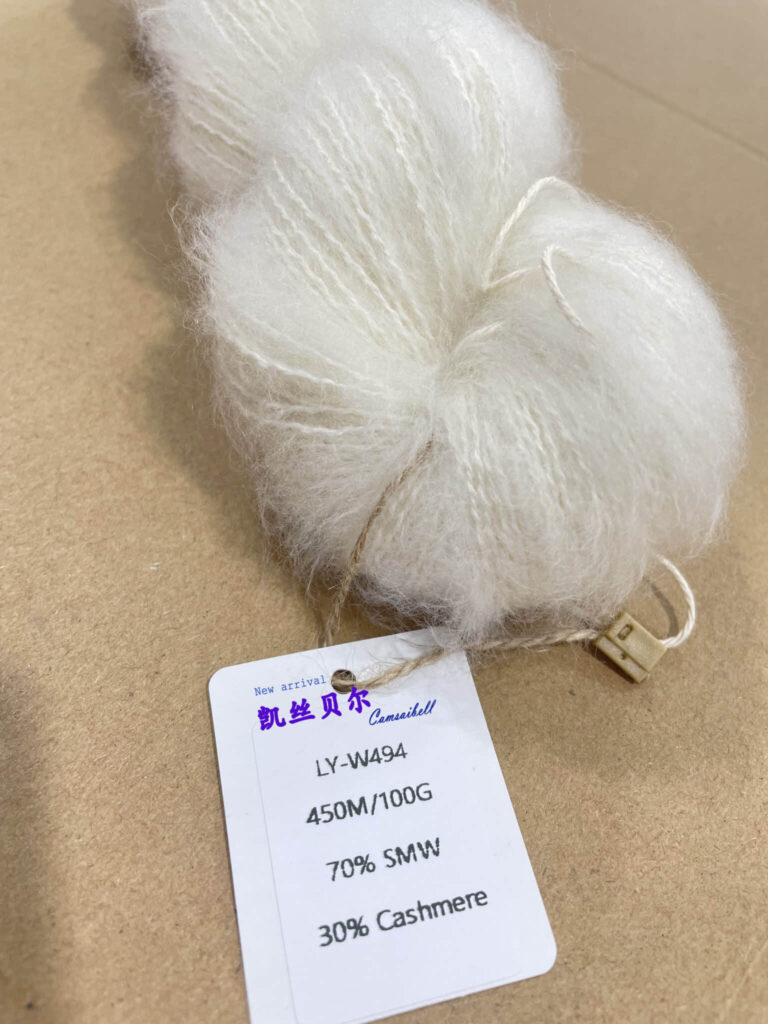
The main difference between fluffy yarn and regular yarn lies in their texture, structure, thermal performance, and visual appearance. Fluffy yarn has a raised pile, brushed fibres, or a fuzzy surface, which creates exceptional softness and warmth. Regular yarn has a smoother, more defined structure, which provides better stitch definition, durability, and versatility. According to […]
What does DK mean in yarn weight?
DK (Double Knitting) yarn is a medium-light weight yarn commonly used in knitting and crochet projects requiring a balance of softness, structure, warmth and stitch definition. According to textile standards and yarn classification references published by organisations such as the Craft Yarn Council, DK yarn typically falls between sport weight and worsted weight yarn. This […]
What weight is double-knit yarn?
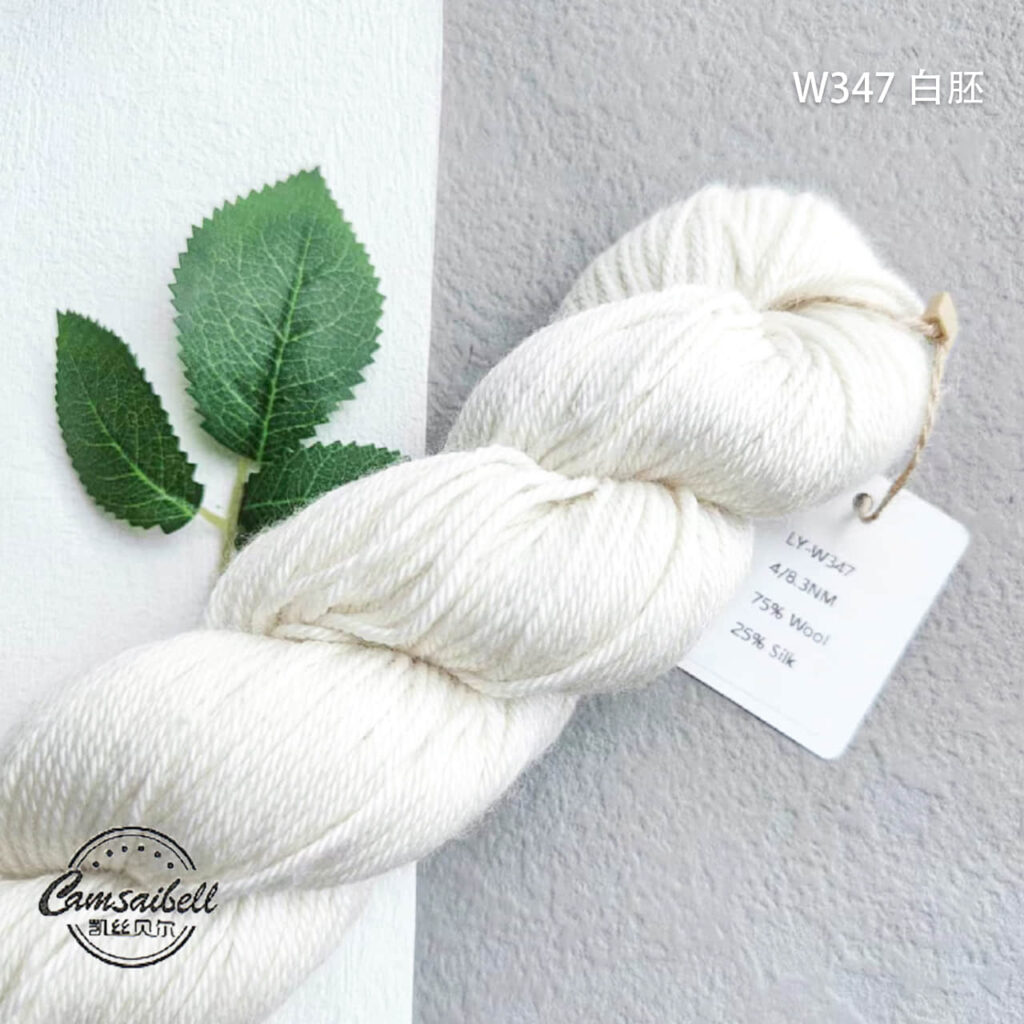
Double-knit yarn, commonly abbreviated to DK, is classified as a medium-light weight in standard yarn systems, positioned between sport weight and worsted weight. According to textile engineering references and knitting industry standards, DK yarn usually produces 21–24 stitches per 10 cm on 9–18 US (5.5–7 mm) needles, making it a highly versatile choice for garments, […]

 English
  Russian
  Japanese
  Korean
  Spanish
  French
  German