
Abstract
Yarn classification systems are essential for consistency in textile production, garment construction, and handicraft industries.
According to The Principles of Knitting by June Hemmons Hiatt and technical guidelines from the Craft Yarn Council, yarn weight categories—such as lace, fingering, DK, and worsted—play a decisive role in determining fabric density, drape, and end-use performance.
Within this framework, fil DK (Double Knitting yarn) occupies a unique mid-weight category that balances structure, softness, and versatility. Cotton-based DK yarn further enhances breathability and comfort, making it widely used in garments, baby products, and lightweight home textiles.
This 2026 industry guide provides an in-depth exploration of DK yarn, focusing on cotton DK yarn characteristics, manufacturing processes, applications, performance comparisons, and future trends.
Introduction: Why DK Yarn Matters in Modern Textile and Craft Markets?
In the evolving landscape of textile production and DIY crafting, yarn selection has become increasingly strategic. Whether for industrial knitting, boutique fashion brands, or home-based creators, the choice of yarn weight directly affects product quality, usability, and consumer satisfaction. Among all yarn categories, dk yarn stands out as one of the most versatile and commercially viable options.
The growing demand for breathable, sustainable, and easy-to-work materials has further elevated the importance of cotton-based DK yarns. In 2026, with sustainability and comfort driving purchasing decisions, understanding what DK yarn means—and how cotton DK yarn performs—is essential for manufacturers, retailers, and consumers alike.
What Does DK Mean in Yarn?
DK stands for Double Knitting, a term originating from the UK textile industry. It refers to a yarn weight category that is lighter than worsted yarn but heavier than sport yarn.
Key Definition:
DK yarn is classified as a medium-light-weight yarn, typically falling into category #3 (Light) in standardized yarn systems.
Standard DK Yarn Specifications:
| Parameter | Typical Range |
| Yarn Weight Category | #3 Light |
| Gauge (Knitting) | 21–24 stitches per 4 inches |
| Needle Size | 3,75-4,5 mm |
| Crochet Hook Size | 4.0–5.0 mm |
This balance between thickness and flexibility makes DK yarn ideal for a wide range of applications.
What is Cotton DK Yarn?
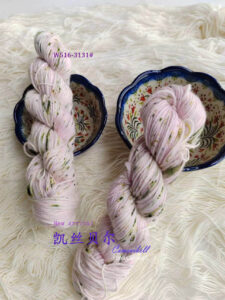
Cotton DK yarn is a type of DK yarn made primarily from cotton fibers. It combines the structural advantages of DK weight with the natural properties of cotton.
Key Characteristics of Cotton DK Yarn
- Breathable and moisture-absorbing
- Soft and skin-friendly
- Lightweight yet durable
- Low elasticity compared to wool
- Suitable for warm climates
Cotton DK yarn is especially popular in garments, baby products, and summer accessories.
DK Yarn vs Other Yarn Weights
Understanding how dk yarn compares to other yarn weights is essential for selecting the right material.
Yarn Weight Comparison Table
| Type de fil | Thickness | Gauge (4”) | Common Uses |
| Dentelle | Très fin | 33–40 sts | Shawls, lacework |
| Doigté | Thin | 27–32 sts | Socks, fine garments |
| Le sport | Light | 23–26 sts | Baby clothes |
| DK Yarn | Medium-light | 21–24 sts | Sweaters, accessories |
| Worsted | Moyen | 16–20 sts | Blankets, outerwear |
| Encombrant | Épais | 12–15 sts | Winter garments |
DK yarn sits in the “sweet spot” between fine detail and structural stability.
Manufacturing Process of Cotton DK Yarn
The production of cotton DK yarn involves several steps:
- Fiber Selection
High-quality cotton fibers are chosen based on length, strength, and cleanliness.
- Spinning
Fibers are spun into yarn with controlled thickness to achieve DK الوزن standards.
- Ply Formation
Multiple strands may be twisted together to improve durability and consistency.
- Dyeing and Finishing
Yarn is dyed and treated for softness, colorfastness, and performance.
Performance Characteristics of Cotton DK Yarn
Physical Properties
| Property | Cotton DK Yarn Performance |
| Breathability | Haut |
| Élasticité | Faible |
| Durabilité | Moderate to high |
| Moisture Absorption | Excellent |
| Weight | Medium-light |
Comfort and Wearability
- Soft and Skin-Friendly
DK yarn, especially when made from natural fibers like cotton, is gentle on the skin and suitable for sensitive users, including babies and individuals with skin sensitivities.
- Breathability
The medium weight and fiber structure allow good airflow, making DK yarn garments comfortable to wear in mild to warm climates.
- Lightweight Yet Warm
DK yarn strikes a balance between insulation and lightness, providing enough warmth without feeling bulky, ideal for layering garments.
- Excellent Drape and Flexibility
Garments made with DK yarn tend to have a smooth drape, conforming well to body shapes while maintaining structure, enhancing overall wearability.
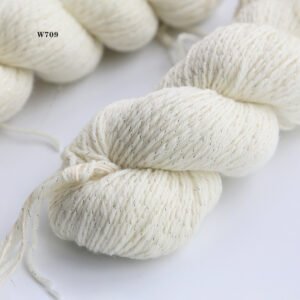
Applications of DK Yarn
- Garment Manufacturing
DK yarn is widely used in sweaters, cardigans, and lightweight tops. Cotton DK yarn is especially favored for summer garments due to its breathability.
- Baby Products
Softness and hypoallergenic properties make cotton DK yarn ideal for baby blankets, clothing, and toys.
- Accessories
Scarves, hats, and gloves benefit from DK yarn’s balance of warmth and weight.
- Home Textiles
Used in cushion covers, lightweight throws, and decorative items.
Advantages of Cotton DK Yarn
- Natural and Hypoallergenic
Cotton DK yarn is made from natural fibers, reducing the risk of allergic reactions and making it ideal for baby wear and sensitive skin applications.
- High Breathability and Moisture Absorption
Cotton fibers absorb moisture effectively and allow heat to escape, ensuring comfort in warm weather or active use.
- Durability and Strength
Cotton DK yarn is relatively strong and resistant to wear, making it suitable for frequently used items such as summer garments, dishcloths, and accessories.
- Easy Care and Maintenance
Most cotton DK yarns are machine washable and retain their shape well when properly cared for, making them practical for everyday use.
- Defined Stitch Definition
Cotton yarn provides crisp stitch visibility, making it ideal for textured patterns, lacework, and detailed knitting designs.
Limitations of Cotton DK Yarn
- Limited Elasticity
Cotton lacks natural stretch compared to wool or synthetic fibers, which can affect fit and recovery, especially in garments requiring flexibility.
- Heavier When Wet
Cotton absorbs water and becomes heavier when damp, potentially affecting garment comfort and drying time.
- Lower Insulation
Compared to wool, cotton provides less thermal insulation, making it less suitable for cold-weather garments.
- Potential for Shrinkage
Improper washing or high-heat drying can lead to shrinkage or distortion of finished items.
- Less Resilience
Cotton fibers may lose shape over time with frequent use, particularly in items that require elasticity, such as cuffs or fitted garments.
How to Choose the Right DK Yarn?
Selecting the right DK yarn (Double Knitting yarn) depends on multiple factors, including fiber type, project requirements, and desired performance. A well-informed choice ensures better results in terms of comfort, durability, and aesthetics.
- Consider the Fiber Composition
- Cotton DK Yarn: Ideal for breathable, lightweight garments and summer wear.
- Wool DK Yarn: Offers warmth, elasticity, and excellent shape retention, suitable for sweaters and winter accessories.
- Blended Fibers: Combine the benefits of natural and synthetic materials, such as durability, stretch, and easy maintenance.
- Match Yarn to Project Type
- Garments: Choose soft, skin-friendly yarns with good drape.
- Baby Items: Opt for hypoallergenic, gentle fibers like cotton or soft blends.
- Accessories (hats, scarves): Wool or acrylic blends provide warmth and flexibility.
- Home Décor: Durable yarns with good structure are preferred.
- Evaluate Yarn Weight and Gauge
Although DK yarn falls within a standard weight category, slight variations exist between brands. Always check:
- Recommended needle or hook size
- Gauge (stitches per inch) to ensure pattern compatibility
- Assess Texture and Finish
- Smooth yarns: Best for detailed stitch patterns and clean finishes.
- Textured or matte yarns: Provide a more casual or rustic appearance.
- Check Durability and Care Requirements
- For everyday wear, select yarns that are machine washable and resistant to pilling.
- For premium or delicate projects, hand-wash-only yarns may be acceptable.
- Color and Dye Quality
- Look for colorfast yarns that resist fading or bleeding.
Consider how the color complements the design—solid colors highlight stitch work, while variegated yarns create visual interest.
Future Trends in DK Yarn (2026–2030)
- Sustainable Cotton Production
Organic and recycled cotton yarns are gaining popularity.
- Smart Yarn Technology
Integration of functional fibers for moisture control and durability.
- Digital Customization
AI-driven yarn recommendations based on project needs.
Common Misconceptions
- “DK Yarn Is Always the Same Thickness.”
While DK yarn falls within a standard category, thickness can vary slightly between manufacturers. Always rely on the gauge rather than the label alone.
- “DK Yarn Is Only for Knitting.”
DK yarn is equally suitable for crochet, weaving, and other textile crafts, offering versatility across multiple applications.
- “All DK Yarn Is Soft and Lightweight.”
Softness depends on fiber type. For example, cotton DK yarn may feel firmer, while wool or blends can be softer and more elastic.
- “DK Yarn Can Replace Any Yarn Weight.”
Substituting DK yarn for other weights (e.g., sport or worsted) without adjusting gauge and pattern can lead to a poor fit or structure.
- “Natural Fibers Are Always Better.”
While natural fibers offer comfort and breathability, synthetic or blended DK yarns may provide better durability, elasticity, and easier maintenance depending on the application.
- “Higher Price Means Better Quality.”
Price does not always equate to performance. The best DK yarn depends on how well it matches the project’s functional and aesthetic requirements.
FAQ: DK Yarn
- What does DK mean in yarn?
DK stands for Double Knitting, a medium-light yarn weight category.
- Is cotton DK yarn good for summer clothing?
Yes, due to its breathability and moisture absorption.
- Can beginners use DK yarn?
Yes, it is easy to handle and versatile.
- What is DK yarn best used for?
Garments, baby items, and accessories.
- How does DK yarn compare to worsted yarn?
DK yarn is lighter and produces finer fabric.
Conclusion
DK yarn represents one of the most versatile and widely used yarn categories in the modern textile and craft industries. Its balanced weight, adaptability, and compatibility with various fibers make it an essential choice for both manufacturers and hobbyists.
Cotton DK yarn, in particular, offers exceptional comfort, breathability, and sustainability, aligning with current market trends and consumer preferences. By understanding its properties, applications, and market positioning, businesses and creators can maximize both product quality and commercial success.

 French
  English
  Russian
  Japanese
  Korean
  Spanish
  German