
Double-knit yarn, commonly abbreviated to DK, is classified as a medium-light weight in standard yarn systems, positioned between sport weight and worsted weight.
According to textile engineering references and knitting industry standards, DK yarn usually produces 21–24 stitches per 10 cm on 9–18 US (5.5–7 mm) needles, making it a highly versatile choice for garments, scarves, baby wear, sweaters and lightweight accessories.
Studies in textile manufacturing further show that advances in fibre blending, spinning precision, sustainable sourcing and digital dyeing technologies have significantly improved modern fil à tricoter production, enabling DK yarn to provide a balanced combination of softness, durability, elasticity and stitch definition for both hand knitting and industrial textile applications.
Why Double-Knit Yarn Has Become One of the Most Popular Knitting Yarn Types Worldwide?
The world of knitting has undergone a dramatic transformation over the past several decades. Once primarily viewed as a traditional household craft, it has now become a global textile sector connecting fashion design, industrial manufacturing, sustainability initiatives, artisan craftsmanship, DIY culture, and digital retail ecosystems. Across Europe, North America, Asia and emerging textile markets, millions of knitters, fashion brands, garment manufacturers and textile engineers rely on specialised yarn categories designed for highly specific applications. One of the most widely used and commercially important yarn weights in the entire knitting industry is double-knit yarn, often called DK yarn.
Its popularity is closely connected to its extraordinary balance of versatility, comfort, appearance, and usability. Heavier yarns may produce warmth and structure, but they often sacrifice drape and softness. Extremely lightweight yarns create elegant textures, but they can require longer production times and advanced knitting skills. DK yarn occupies a highly practical middle ground, supporting comfortable garment construction, balanced stitch definition, moderate warmth, flexible seasonal use, efficient knitting speed and broad pattern compatibility.
This balance explains why Fil DK is used extensively for sweaters, cardigans, scarves, hats, gloves, children’s garments, babywear, blankets, fashion accessories and lightweight outerwear.
The term ‘double-knit’ originally emerged from British yarn classification systems. Historically, DK yarn was considered to be approximately twice the thickness of traditional fingering yarn. However, modern yarn standards now classify weights more precisely according to stitch gauge, wraps per inch, and yarn thickness measurements.
As textile manufacturing technology has advanced, the production of DK yarn has become far more sophisticated than many consumers realise. Modern knitting yarn manufacturing integrates computerised spinning systems, fibre engineering, advanced dye chemistry, automated winding, sustainable material sourcing, quality consistency monitoring, digital textile testing, and performance fibre blending.
Today’s knitting yarn industry includes a wide variety of fibre compositions, such as wool, cotton, acrylic, alpaca, cashmere, bamboo, recycled fibres and synthetic performance blends.
Each fibre dramatically affects how DK yarn performs during knitting and garment use.
Manufacturers and textile suppliers, such as Loyal Yarns, are increasingly participating in the global knitting yarn sector, where consistency, softness, sustainability, colour precision and scalable textile manufacturing remain important competitive factors for industrial buyers and consumer knitting markets alike.
At the same time, growing consumer interest in sustainable textiles, handmade fashion, slow fashion, custom garments, artisanal craftsmanship, and eco-friendly fibres has significantly expanded global demand for premium knitting yarn categories, especially versatile yarn weights like DK yarn.
Therefore, understanding exactly what double-knit yarn weight means, and how it compares with other knitting yarn categories, is essential for knitters, textile buyers, fashion designers, sourcing managers, yarn retailers and garment manufacturers seeking to optimise fabric performance, production efficiency, comfort and design flexibility.
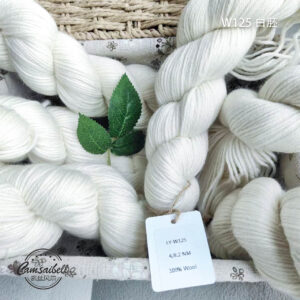
What Is Double-Knit Yarn?
Double-knit yarn, usually abbreviated to DK, is a medium-light category of fil à tricoter, positioned between sport weight and worsted weight in standardised yarn weight systems.
In most international yarn classification standards, DK yarn belongs to category #3, or ‘light’ yarn weight.
It is commonly characterised by moderate thickness, balanced flexibility, good stitch visibility, a versatile fabric structure, a comfortable drape, and adaptable warmth.
Historically, the term ‘double-knit’ referred to yarn that was approximately twice as thick as fingering yarn. However, modern classifications rely more heavily on gauge measurements, yarn diameter, wraps per inch, and stitch count rather than historical terminology alone.
According to modern knitting standards, DK yarn typically achieves 21–24 stitches per 4 inches (10 cm) using 3.75–4.5 mm needles, making it highly adaptable for numerous garment and accessory projects.
Unlike bulky yarns, which create dense, heavy fabrics, or lace yarns, which produce delicate, lightweight structures, DK yarn offers a balanced textile profile, making it suitable for both beginner and advanced knitting applications.
It is especially popular because it combines manageable knitting speed, attractive texture definition, wearable garment weight, and broad seasonal compatibility, which is why it remains one of the most commercially successful fil à tricoter categories worldwide.
Understanding Knitting Yarn Weight Systems
To fully understand double-knit yarn, it is important to understand how yarn weight systems in knitting work.
Yarn ‘weight’ does not directly refer to physical mass. Instead, it describes the following:
- Yarn thickness
- Diameter
- Gauge behaviour
- Knitting performance
Different yarn weights produce dramatically different fabric density, drape, insulation, elasticity, stitch appearance, and garment structure.
Modern yarn industries generally classify knitting yarn into several major categories.
| Yarn Weight Category | Common Name | Typical Needle Size | Typical Gauge |
| 0 | Dentelle | 1.5–2.25 mm | 33–40 stitches |
| 1 | Doigté | 2,25-3,25 mm | 27–32 stitches |
| 2 | Le sport | 3,25-3,75 mm | 23–26 stitches |
| 3 | DK / Light | 3,75-4,5 mm | 21–24 stitches |
| 4 | Worsted | 4,5-5,5 mm | 16–20 stitches |
| 5 | Encombrant | 5.5–8 mm | 12–15 stitches |
| 6 | Super volumineux | 8 mm+ | 6–11 stitches |
DK yarn occupies a highly strategic middle position within this system.
It is thick enough to:
- knit efficiently
- provide warmth
- create structure
while remaining light enough to:
- Maintain flexibility
- Improve drape
- Support layering
- Avoid excessive bulk
This balance contributes heavily to its global popularity.
Why DK Yarn Is So Popular in Modern Knitting?
Several important factors explain the widespread popularity of DK knitting yarn.
Excellent versatility
DK yarn can be used for garments, accessories, children’s clothing, home textiles and lightweight outerwear, making it highly attractive to both hobby knitters and commercial textile producers.
Comfortable fabric weight
DK fabrics are generally comfortable, breathable, and wearable across multiple seasons. They avoid the heaviness associated with thicker yarn categories.
Faster knitting than fine yarns
Compared with fingering or lace yarn:
- DK yarn builds fabric faster
- Projects finish sooner
- Stitch visibility improves
This efficiency appeals strongly to modern knitters.
Strong stitch definition
DK yarn typically provides excellent stitch clarity for cables, ribbing, textured patterns, colourwork and lace accents. A good stitch definition is especially important in fashion knitting and premium textile applications.
Fiber Types Used in Double-Knit Yarn
Modern DK yarn is manufactured using a variety of fibre types.
The softness, elasticity, warmth, durability, moisture behaviour, and texture of the yarn are all significantly influenced by the type of fibre used.
Wool DK yarn
Wool remains one of the most popular fibres for DK yarn.
Advantages include warmth, elasticity, resilience, and moisture management. Merino wool DK yarn is especially valued for its softness and comfort.
Cotton DK yarn
Cotton DK yarn provides breathability, softness, and lightweight comfort, and is widely used for summer garments, babywear, and warm-weather knitting.
Acrylic DK yarn
Acrylic yarn offers affordability, colour stability and easy maintenance. Acrylic blends are common in commercial knitting yarn markets.
Alpaca and luxury blends
Luxury fibres provide softness, thermal insulation and premium texture. These yarns are frequently used in high-end knitwear.
Manufacturers such as Loyal Yarns are increasingly participating in textile sectors where customised yarn blends, colour precision and scalable knitting yarn production support the global fashion and garment industries.
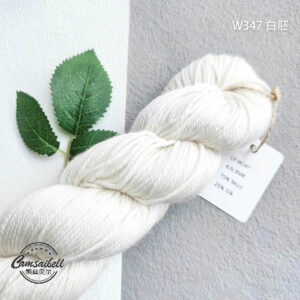
How Is Double-Knit Yarn Manufactured?
Modern knitting yarn manufacturing is a highly engineered industrial process.
The production of DK yarn generally includes the following steps:
- Fibre preparation
- Carding
- Combing
- Spinning
- Twisting
- Dyeing
- Winding
- Quality inspection
Fibre selection
Manufacturing begins with selecting raw fibres based on the desired performance characteristics.
Spinning process
Fibres are spun into yarn using controlled twisting systems.
The spinning process affects yarn strength, texture, elasticity, and smoothness.
Ply construction
Many DK yarns use multiple plies to improve durability, stitch consistency, and structural balance.
Dyeing and finishing
Modern dyeing systems improve colour consistency, fade resistance and softness.
Advanced textile facilities increasingly use digital colour management, eco-friendly dye chemistry and automated quality monitoring to improve manufacturing consistency.
DK Yarn Compared With Other Knitting Yarn Types
| Type de fil | Thickness | Fabric Feel | Typical Uses |
| Doigté | Thin | Lightweight | Socks, shawls |
| Le sport | Slightly thicker | Light | Vêtements pour bébés |
| DK | Medium-light | Balanced | Sweaters, scarves |
| Worsted | Moyen | Warm | Heavy sweaters |
| Encombrant | Épais | Heavy | Accessoires d'hiver |
DK yarn remains one of the most flexible categories because it balances warmth, softness, and practicality.
Best Projects for Double-Knit Yarn
DK yarn supports a broad range of knitting applications.
Popular projects include:
- Sweaters
- Pullovers
- Scarves
- Shawls
- Hats
- Gloves
- Cardigans
- Blankets
- Children’s garments
- Babywear
Its balanced structure allows garments to maintain:
- Shape
- Comfort
- Flexibilité
- Drape
Without excessive heaviness.
How to Choose the Right DK Knitting Yarn?
Several important factors should guide your yarn selection.
Fibre composition: different fibres influence softness, warmth, breathability, and elasticity.
Twist structure: yarn twist affects durability, stitch clarity, and pilling resistance.
Intended use: projects requiring warmth, durability, softness, and washability may require different yarn types.
Sustainability: modern consumers increasingly prioritise recycled fibres, ethical sourcing, low-impact dyeing and sustainable manufacturing, and the knitting yarn industry continues to adapt to these evolving market expectations.
The Growing Demand for Sustainable Knitting Yarn
Sustainability has become one of the most important trends in modern textile manufacturing.
Consumers are increasingly seeking out organic fibres, recycled yarns, biodegradable materials, and environmentally responsible production processes.
Many manufacturers are now focusing on reducing water usage, cleaner dye processes, renewable energy, and fibre traceability.
The sustainable knitting yarn market continues to expand globally.
Common Mistakes When Using DK Yarn
Even experienced knitters can occasionally encounter problems when working with DK yarn.
Incorrect gauge: failing to check the gauge may cause sizing problems, a poor fit, and fabric distortion.
Wrong needle selection: needle size strongly affects drape, stitch density, and elasticity.
Poor fibre matching: different fibres behave differently during blocking, washing, and wear.
Understanding fibre characteristics improves project success.
Future Trends in Knitting Yarn Manufacturing
The knitting yarn industry continues to evolve rapidly.
Emerging trends include recycled fibre innovation, AI-assisted textile quality control, smart yarn technology, biodegradable synthetic fibres, low-water dye systems and digital yarn customisation.
Textile automation is improving in terms of consistency, scalability, sustainability, and production efficiency.
The future of knitting yarn manufacturing will likely combine sustainability, performance engineering, advanced fibre science and consumer customisation.
FAQ About Double-Knit Yarn and Knitting Yarn
- Quel est le poids du fil double tricot ?
Double-knit yarn is classified as a light or category #3 yarn weight, positioned between sport and worsted yarn.
- Is DK yarn the same as worsted yarn?
No. DK yarn is lighter and thinner than worsted yarn, producing softer and less bulky fabrics.
- What is DK yarn best used for?
DK yarn is ideal for sweaters, scarves, hats, cardigans, children’s garments, and lightweight accessories.
- What needle size is used for DK yarn?
DK yarn is commonly knitted using 3.75–4.5 mm needles.
- Is DK yarn good for beginners?
Yes. DK yarn offers excellent stitch visibility and manageable handling, making it beginner-friendly.
- What fibers are commonly used in DK yarn?
Common fibers include wool, cotton, acrylic, alpaca, bamboo, and blended textile fibers.
Conclusion
Double-knitting yarn is one of the most important and versatile categories in the global knitting yarn industry, successfully balancing warmth, softness, drape, efficiency, and usability across a wide range of textile applications. Sitting between sport and worsted yarn weights, DK yarn offers knitters, designers, and garment manufacturers an ideal combination of manageable knitting speed, strong stitch definition, flexible fabric structure, and comfortable wearability. It is these qualities that explain why DK yarn is so widely used in sweaters, scarves, cardigans, babywear, fashion accessories, lightweight outerwear, and modern knitwear collections around the world.
Meanwhile, the broader knitting yarn industry continues to evolve rapidly thanks to advances in textile engineering, sustainable manufacturing, digital dye systems, fibre blending technologies and intelligent production automation. Modern yarn manufacturing is increasingly focused on performance optimisation, environmental responsibility, and achieving consistent quality on a large scale in both artisan and industrial markets.
Companies operating in the knitting yarn and textile manufacturing sectors, including Loyal Yarns, are increasingly contributing to industries where reliable fibre sourcing, advanced spinning technology, customised yarn development and sustainable textile production remain essential competitive factors. As consumer demand for handmade fashion items, premium knitwear, eco-friendly textiles, and customised garments continues to grow, DK yarn is likely to remain one of the most commercially important and universally adaptable categories of knitting yarn in the global textile industry.

 French
  English
  Russian
  Japanese
  Korean
  Spanish
  German