
Abstract:
пряжа из альпаки has gained worldwide acclaim for its remarkable softness, warmth, and durability among natural animal fibers used in contemporary textile manufacturing. Sourced from the fleece of alpacas—camelid creatures indigenous to the Andes Mountains—alpaca fiber has been appreciated for millennia for its plush feel and insulating qualities.
Fiber research studies cited by the Textile Institute and reports from the Food and Agriculture Organization of the United Nations indicate that alpaca fiber is among the finest natural animal fibers available today, often being compared to luxury materials like cashmere and fine merino wool.
Scientific analyses in textile engineering journals have demonstrated that alpaca fibers generally have a small micron diameter, a smooth surface with scales, and hollow fiber structures. All of these features contribute to their distinctive softness and thermal efficiency. These physical traits make alpaca yarn especially sought after for high-end clothing like sweaters, scarves, knitwear, and luxury fashion textiles.
Alpaca yarn provides many benefits beyond softness, such as superb thermal insulation, resistance to moisture, a lightweight design, and hypoallergenic qualities. Consequently, the fiber has gained growing popularity among knitters, fashion designers, and eco-friendly textile producers around the globe.
This detailed guide investigates whether alpaca yarn is genuinely soft. It looks at the factors that affect its softness. It compares alpaca yarn with other natural fibers. It explains why alpaca yarn has become a popular choice in contemporary textile design. The article also discusses different types of alpaca yarn. It covers fiber grading standards. It explores industrial uses. It highlights emerging trends in alpaca fiber production.
Understanding Alpaca Yarn
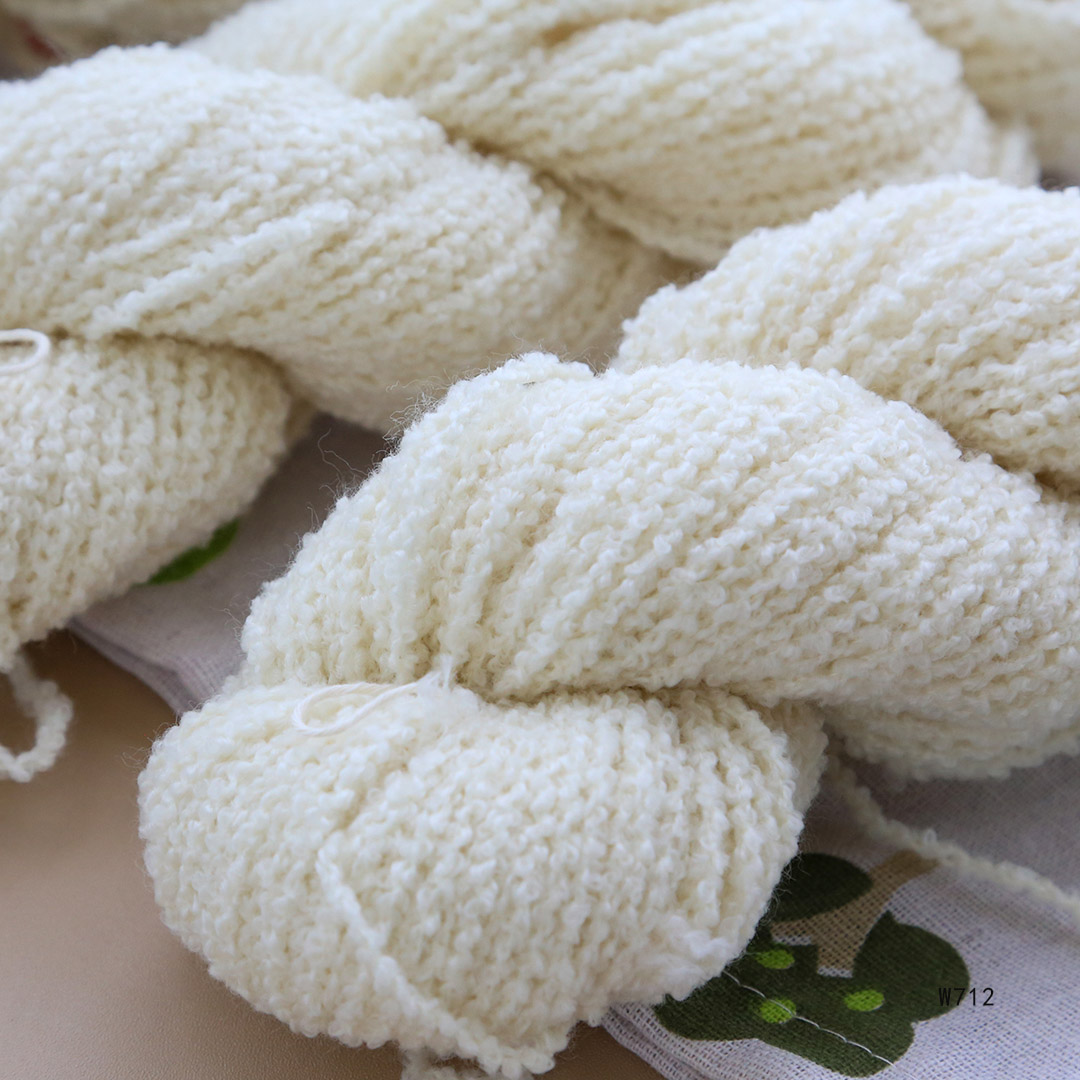
Alpaca yarn is a natural textile yarn spun from the fleece of alpacas. These animals are domesticated camelids that originate from the high-altitude regions of the Andes Mountains in South America.
Historically, ancient Andean civilizations highly valued alpaca fiber. During the Inca Empire, it was regarded as a luxury material, reserved for royalty and nobility because of its exceptional softness and warmth.
Modern alpaca yarn is created through multiple stages: shearing the alpaca fleece, cleaning and sorting the fibers, spinning the fibers into yarn, and dyeing and finishing the yarn. The yarn produced is commonly utilized in knitting, weaving, and textile manufacturing.
Is Alpaca Yarn Soft?
Yes, alpaca yarn is widely considered one of the softest natural animal fibers available in the textile industry. Its softness results from the unique physical structure of alpaca fibers.
Alpaca fibers have fewer microscopic scales on their surface compared to many wool fibers, which decreases friction when the fiber contacts the skin. This structural feature greatly enhances the fiber’s smooth and soft texture.
Another important factor is fiber diameter, which is typically measured in microns. Finer fibers have smaller diameters and generally feel softer.
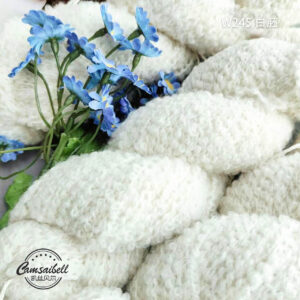
Fiber Diameter and Softness
| Тип волокна | Average Micron Diameter | Softness Level |
| Alpaca (baby grade) | 18–22 microns | Very soft |
| Alpaca (adult) | 23–30 microns | Soft |
| Merino wool | 17–24 microns | Very soft |
| Traditional wool | 30+ microns | Coarser |
This comparison shows that high-quality alpaca fibers fall within the same softness range as premium merino wool.
Types of Alpaca Fiber
Alpaca yarn softness varies depending on the type of alpaca fiber used.
Two main alpaca breeds produce fiber.
- Huacaya Alpaca
Huacaya alpacas produce fluffy fibers with natural crimp, making them ideal for knitting yarns.
These fibers are commonly used for:
- Sweaters
- Blankets
- Winter garments
- Suri Alpaca
Suri alpacas produce long, silky fibers that hang in straight locks.
These fibers are valued for:
- Silk-like luster
- Smooth texture
- High-end luxury textiles
Comparison of Alpaca Fiber Types
| Тип волокна | Текстура | Appearance | Typical Uses |
| Huacaya | Fluffy | Wool-like | Knitwear |
| Suri | Silky | Glossy | Luxury fabrics |
Both fiber types can produce extremely soft yarns depending on fiber grade.
Why Alpaca Yarn Feels Softer Than Traditional Wool?
Several physical characteristics explain why alpaca yarn feels softer than many traditional wool fibers.
- Reduced Scale Structure
The outer layer of alpaca fibers contains fewer microscopic scales than sheep wool, reducing skin irritation.
- Smooth Fiber Surface
A smoother surface reduces friction and enhances softness.
- Hollow Fiber Core
Alpaca fibers often contain hollow cores that improve insulation and reduce weight.
These structural properties allow alpaca yarn to provide both comfort and warmth simultaneously.

Fiber Grading and Alpaca Yarn Quality
Not all alpaca yarn is equally soft. The softness depends largely on fiber grading.
Fiber grading is based on micron diameter, which determines the fiber’s fineness.
Alpaca Fiber Grades
| Класс | Micron Range | Typical Use |
| Royal Alpaca | <19 microns | Luxury garments |
| Baby Alpaca | 19–22 microns | Premium knitwear |
| Superfine Alpaca | 22–24 microns | High-quality yarn |
| Adult Alpaca | 25–30 microns | General textiles |
Higher-grade fibers are softer and more expensive.
Advantages of Alpaca Yarn
Alpaca yarn provides numerous benefits beyond its softness.
- It offers excellent thermal insulation as the hollow fiber structure traps air and naturally keeps warmth in.
- Despite its warmth, alpaca yarn is lighter than many other animal fibers, ensuring comfort.
- Unlike traditional wool, alpaca fiber has little or no lanolin, making it hypoallergenic and suitable for those with wool allergies.
- Alpaca fibers naturally repel moisture and resist the development of odors.
Comparing Alpaca Yarn with Other Luxury Fibers
To better understand alpaca yarn softness, it is useful to compare it with other popular luxury fibers.
Luxury Fiber Comparison
| Волокно | Мягкость | Тепло | Долговечность |
| пряжа из альпаки | Very soft | Превосходно | Высокий |
| Кашемир | Extremely soft | Превосходно | Умеренный |
| Merino wool | Very soft | Высокий | Высокий |
| Angora | Extremely soft | Умеренный | Низкий |
This comparison shows that alpaca yarn offers a balanced combination of softness, warmth, and durability.
Applications of Alpaca Yarn
Because of its softness and performance, alpaca yarn is used in many textile products.
- Fashion Apparel
Common alpaca yarn products include:
- Sweaters
- Scarves
- Gloves
- Socks
These garments benefit from the fiber’s warmth and comfort.
- Home Textiles
Alpaca yarn is also used in:
- Blankets
- Throws
- Rugs
- Upholstery fabrics
These products combine softness with durability.
- Luxury Textile Manufacturing
Many luxury fashion brands use alpaca yarn in premium clothing collections.
The fiber’s natural softness and elegant appearance make it ideal for high-end garments.
Sustainability of Alpaca Fiber
Alpaca fiber is considered one of the most sustainable natural fibers in the textile industry. This fiber is derived from the fleece of the Alpaca and has a lower environmental impact compared to many other animal-based textiles.
Alpacas have soft, padded feet that cause minimal damage to grazing land, and they use less water and vegetation than animals typically used for fiber production. Additionally, alpaca fleece is naturally durable and insulating, so products made from it tend to last longer and need fewer replacements over time.
Another sustainability advantage is found in the processing stage. Alpaca fiber generally needs less chemical treatment than certain other fibers because it naturally has fewer oils and impurities.
This lessens the necessity for strong detergents during cleaning and processing, promoting more environmentally friendly textile manufacturing. As consumers increasingly focus on eco-friendly materials, alpaca yarn keeps gaining recognition as a renewable and biodegradable fiber choice.
How to Care for Alpaca Yarn Products?
Proper care is crucial to preserving the softness, shape, and durability of alpaca yarn items. Since alpaca fibers are inherently delicate and elastic, gentle cleaning techniques are advised. Typically, hand washing with mild detergent in cold or lukewarm water is the safest method. Too much agitation or exposure to high temperatures can harm the fiber structure and lead to unwanted stretching.
After washing, alpaca garments should be carefully reshaped and laid flat to dry rather than hung, which helps prevent distortion. Avoid using high heat when drying or ironing, as this can weaken the fibers. Storage also plays an important role in product longevity. Keeping alpaca yarn products in breathable storage bags and protecting them from moths or humidity helps preserve their quality over time.
Regular upkeep, like soft brushing or removing pills, can also help preserve the look of alpaca fabrics. With appropriate care, alpaca wool clothing can keep their softness and strength for many years.
Future Trends in Alpaca Yarn Production
The global alpaca fiber industry continues to evolve with innovations in textile technology.
Emerging trends include:
- Sustainable alpaca farming practices
- Advanced fiber grading technologies
- Blended alpaca yarns with silk or wool
- Eco-friendly dyeing methods
These developments are expanding the market for alpaca yarn worldwide.
FAQ: Alpaca Yarn
Is alpaca yarn softer than wool?
In many cases, yes. High-quality alpaca yarn can feel softer than traditional wool because of its smoother fiber surface.
Does alpaca yarn itch?
Most alpaca yarn does not itch because the fibers have fewer scales and lower lanolin content compared with sheep wool.
What is baby alpaca yarn?
Baby alpaca yarn refers to fiber with a very fine micron diameter, not necessarily fiber from young alpacas.
Is alpaca yarn warm?
Yes. Alpaca yarn provides excellent insulation due to its hollow fiber structure.
Is alpaca yarn sustainable?
Alpaca fiber is considered environmentally friendly because alpacas have a low environmental impact, and the fiber is biodegradable.
Заключение
Alpaca yarn is considered one of the softest and most luxurious natural fibers in the textile industry. Its softness comes from its fine fiber diameters, smooth surface structures, and distinctive hollow fiber cores that improve both comfort and thermal insulation.
These features enable alpaca yarn to rival other high-quality fibers like cashmere and merino wool, while also providing better durability and natural resistance to moisture.
In addition to its softness, alpaca yarn offers several performance advantages, such as lightweight warmth, hypoallergenic qualities, and durability that lasts over time. These features make it a popular choice for knitwear, fashion clothing, and home textiles.
As sustainable textile manufacturing becomes more significant in the worldwide fashion sector, alpaca fiber is also being recognized as an eco-friendly alternative to numerous synthetic and animal-derived fibers.
As fiber grading continues to improve, along with sustainable farming methods and new textile manufacturing techniques, alpaca yarn is likely to stay a highly prized material in both traditional craftsmanship and contemporary luxury fashion.

 Russian
  English
  Japanese
  Korean
  Spanish
  French
  German