
In luxury fibers, alpaca silk yarn has lately gained ever-increasing spotlight among growing knitters, designers, or textile manufacturers with unequaled softness, luster, and performance characteristics as one of the most coveted yarn blends available today. What is it exactly that makes alpaca silk yarn so sensationally soft?
This article discusses material content and production process plus benefits, applications, and care guidelines for alpaca silk yarn from technical and consumer perspectives to answer some of the more frequently asked questions in the textile industry.
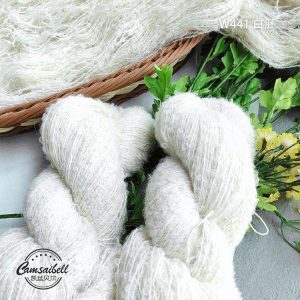
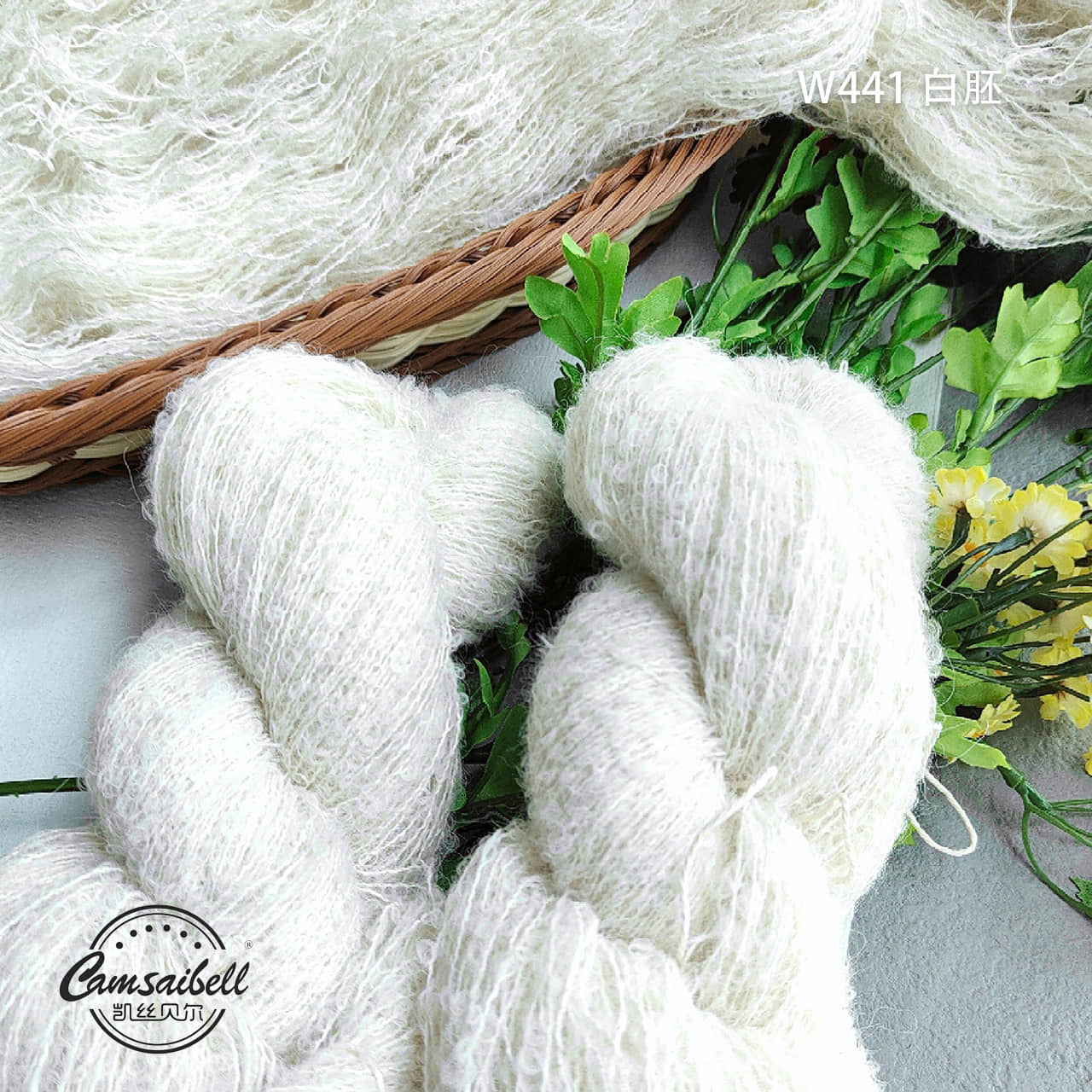
What Is Alpaca Silk Yarn?
Alpaca silk yarn is a blended fiber, usually comprising natural wool of the alpaca and either mulberry or tussah silk. The combination is so artistically balanced: alpaca gives warmth, loft, and softness; silk imparts strength, luster, and drape. Most alpaca fiber comes from South American alpacas in Peru and Bolivia. Alpaca fiber is hypoallergenic- naturally contains no lanolin- known for its fine micron count.
Silk comes from the cocoon of a worm and is valued for its natural luster and strength. When put together, it makes a yarn that is very soft to the touch strong and can be used in many ways.
What makes alpaca silk yarn so soft?
The “feel” comes from a combination of fiber structure and blending. Fine alpaca fibers can get as low as 18-22 microns, comparable to the best cashmere. Because they are so small in diameter, there is no itchy feeling related to coarser wools that do not lay flat against the skin. Silk is smooth. Silk filaments are long and continuous with a naturally smooth surface.
Blending synergy: Silk is smooth, so it does not produce any friction against the alpaca. Alpaca gives plush warmth. Yarns produced will be both silky and fluffy at the same time. That is the reason why alpaca silk yarn mostly feels more luxurious than any other single-fiber yarns.
Is Alpaca Yarn High Quality?
Yes. Pure alpaca yarn is already considered premium due to its softness, warmth, and hypoallergenic nature. Blending it with silk elevates its quality even further by adding:
- Increased tensile strength (less breakage in knitting or weaving).
- Enhanced sheen for a more elegant finish.
- Improved drape for clothing and accessories.
This makes alpaca silk yarn one of the top choices for high-end fashion, luxury knitwear, and artisan projects.
Main Characteristics of Alpaca Silk Yarn
Alpaca silk yarn gets the best between both worlds-the fibers. The major characteristics it contains are:
- Sensitivity: Equal to and sometimes better than cashmere.
- Warmth-to-weight ratio: Light in weight but gives good warmth.
- Breathable: Allows air to regulate body temperature to breathe. Has added strength due to content by silk.
- Moisture resistance: Will absorb less moisture than wool, and dries faster. Luster: A slight shine brought about by the fiber of silk.
Applications – What Can You Make with Alpaca Silk Yarn?
This alpaca silk yarn is a highly versatile fiber that can be used for a number of products:
- Garments like allover, cardigans, dresses, and scarves.
- Accessories like hats, gloves, shawls, and cowls.
- Luxury items for babies, such as blankets and clothes because they do not cause allergies.
- Home textiles including throws, cushion covers, or fine woven or knitted loosely structured items.
Hand Feel and Warmth Compared to Pure Fibers
- Versus pure alpaca: Silk presents greater strength added with luster indoors the hotness outside.
- Versus pure silk: Alpaca brings loft and soft hand not presented by pure silk.
- Versus cashmere: Alpaca silk is just as soft as cashmere most of the time, with more sheen and less pill-formation.
That makes it attractive to those who would like luxury fibers for different performances characterized by particular advantages.
Is Alpaca Silk Yarn Suitable for Skin Contact?
Yes, indeed. The low micron count of alpaca and the smoothness of silk render it yarn that can be worn next to skin without causing the itching some wools can provoke. It is very common for individuals with sensitive skin to prefer alpaca silk to sheep’s wool.
Does Alpaca Silk Yarn Pill or Shed?
Pilling and shedding depend on fiber quality and spinning methods:
- High-grade alpaca silk yarn resists pilling better than pure wool.
- Silk’s long fibers reduce fiber breakage and shedding.
- Proper care—gentle washing, avoiding friction—can extend the lifespan of alpaca silk garments.
Suitability for Hand Knitting and Machine Knitting
Alpaca silk yarn works well for both hand knitting and industrial machine knitting.
- For hand knitters: It provides a smooth, even stitch definition.
- For machines: The silk content enhances strength, reducing breakage during high-speed knitting.
Color Options and Dyeing
Alpaca silk yarn is available in both natural shades (cream, fawn, brown, black) and dyed versions.
Silk enhances dye uptake, resulting in vibrant colors.
Many manufacturers offer custom dyeing services to meet design needs.
Price and Value Compared to Other Luxury Fibers
Alpaca silk yarn is generally more expensive than wool but often less costly than pure cashmere or pure silk. It exhibits the same degree of softness as cashmere at a much lower price.
This yarn is more affordable compared to pure silk and carries the added warmth characteristic.
Therefore, it has a high value-feel factor and performance level while maintaining a balanced cost.
Sustainability and Eco-Friendliness
Alpaca silk yarn can be considered sustainable:
- Alpacas: Have low environmental impact, require less water, and cause minimal land degradation.
- Silk: Can be sourced from ethical and sustainable farms.
- Recycled options: Some mills offer blends with recycled silk or organic-certified alpaca.
Care and Maintenance of Alpaca Silk Yarn Products
Alpaca silk yarn is delicate and should be treated as a luxury fabric:
- Washing: Gentle hand wash in cold water or dry clean.
- Drying: Lay flat to dry; avoid direct sunlight and wringing.
- Storage: Store folded, not hung, to avoid stretching.
With proper care, alpaca silk garments can last for many years.
Comparison Table: Alpaca Silk Yarn vs Other Fibers
| Feature | Alpaca Silk Yarn | Pure Alpaca Yarn | Cashmere | Pure Silk |
| Softness | Extremely soft, silky touch | Very soft, lofty | Very soft, plush | Smooth, cool feel |
| Warmth-to-weight | Excellent | Excellent | High | Moderate |
| Durability | High (strength from silk) | Medium | Medium-low (pills easily) | High tensile strength |
| Luster | Subtle sheen | Matte finish | Matte to slight sheen | High sheen |
| Price Range | Mid-to-high | Mid | High | High |
| Hypoallergenic | Yes | Yes | Usually yes | Yes |
Alpaca Silk Yarn FAQs
- Is alpaca silk yarn expensive?
In actual fact, this yarn is classed as premium, although not quite in the realm of cashmere or pure silk.
- Does alpaca silk yarn stretch?
Yes, the inkling of elasticity combined with better retention of its shape than pure alpaca
- Is alpaca silk yarn good for wearing in summer?
It is quite breathable and light, so it is favorable for all seasons.
- Is alpaca silk yarn appropriate for baby wear?
Indeed, it’s soft, hypoallergenic, and warm without the weight of most blankets.
- Comparison related to Eco-Friendliness:
The low ecological footprint of alpaca and the responsibility with which silk can be farmed make the blend eco-conscious.
Conclusion
Alpaca silk yarn is probably the softest yarn that exists in the world. Warmth and softness of alpaca, strength and luster of silk-this is what makes it suitable for application in fashion and home textiles due to its versatility, strength, and hypoallergenic characteristics.
If you are a hand knitter or designer or just appreciate good-quality fabric, alpaca silk yarn will most likely deliver comfort, beauty, and sustainability all at once. Understanding what makes alpaca silk yarn so soft will lead consumers and textile professionals to make a decision regarding the choice of yarn for their next project.

 English
  Russian
  Japanese
  Korean
  Spanish
  French
  German